Tell us a little about your chimney or fireplace, and we will follow up with a quote for Regency Fireplace Products White Rock
Many fireplace repairs hinge on one practical puzzle: matching the right part to the right unit. Manufacturers refine their designs, product names change and older components are sometimes superseded by newer equivalents. Anyone in White Rock who looked up “regency fireplace products” will find that puzzle explained below, along with what a repair visit looks like and how to keep Regency fireplace and stove service straightforward, from the first phone call to the final test run.
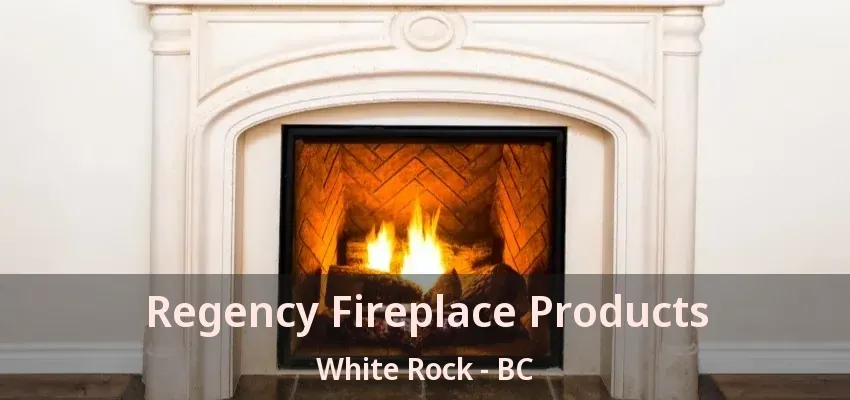
A fireplace insert slides into an existing fireplace, while a freestanding stove stands on its own hearth pad, and that difference mostly affects how easily a technician can reach the parts. Both can burn gas or wood. An insert is framed by a decorative surround and connected to a liner running up the chimney, so some repairs mean easing it partway out of the opening. A stove is open on every side and joins the chimney through a visible pipe, which makes many jobs quicker. Knowing which one you have, and mentioning it when you call, helps the visit go smoothly.
Regency’s range covers gas and wood-burning fireplaces, inserts and stoves, so the answer depends on your home. People searching for “regency fireplace products” often have one of these types in mind without knowing which. The quickest way to tell is the rating label and a look inside: a burner with logs or stones means gas, while firebricks and an air control mean wood. Knowing the type matters for service, because gas units need ignition and venting checks and wood units need seals, baffles and chimney care. Chimney Sweep White Rock services both as an independent company.
Cloudy glass can be harmless or a clue, depending on its color. The chalky white film we see on gas fireplaces builds up gradually and mostly affects appearance, though left for years it can bake on for good. Black soot is the one we pay attention to, because carbon forms when the flame is not getting the air or gas mix it needs. That sends us to the burner ports, the log or media layout and the vent. On wood stoves, dark glass after every fire usually points to low air settings or firewood that has not dried long enough.
Smoke coming into the room usually means the stove is not drafting well or is leaking around its seals. Common causes include a door gasket that has flattened, a cracked glass seal, a partly blocked flue or chimney cap, a chimney that is still cold when the fire is lit and wet firewood that smolders instead of burning. Opening the door quickly can also pull smoke out. Open the air control and crack the door slowly before loading. If smoke keeps escaping, stop using the stove, have it and the chimney checked and make sure your carbon monoxide alarms work.
Once a year suits most households, and we adjust from there. A gas fireplace that runs every evening through the colder months collects more dust in the burner and more wear on its ignition than one lit a few times a season. A wood stove used as a main heat source may need its flue swept more than once in a winter. We note what we find at each visit, such as how dirty the burner was or how much creosote came out, and suggest the next date from that. Your manual’s recommendation is the baseline; your usage fine-tunes it.
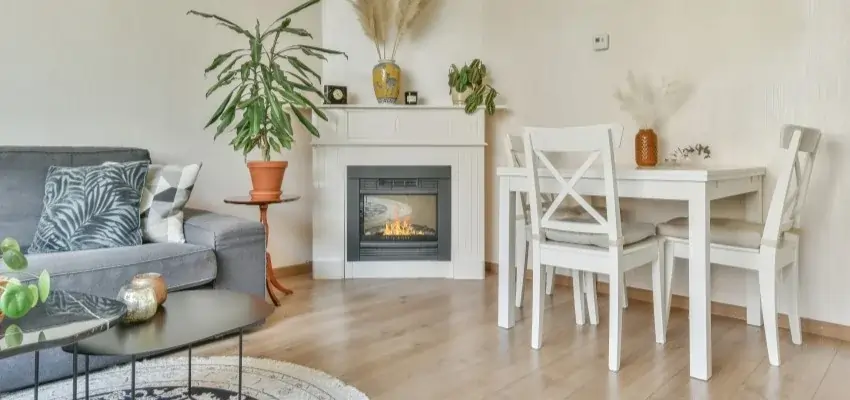
Make sure the rating label is still attached and readable, because without it the model, the approved venting and the right parts are hard to confirm. Then inspect the unit itself for cracks in the firebox or glass, a warped baffle, crumbling firebricks, missing air tubes or a door that no longer shuts tight. A gas unit should come with its burner, logs or media and controls complete. Ask whether the manual is included and whether parts are still listed for that model. If you found the unit while looking up “regency fireplace products”, plan for the installation too: it has to follow the manual, and a gas hookup is work for a qualified gas technician.
Yes, photos often help a technician prepare and bring the right parts. The most useful ones show the rating label, the whole unit from the front, the control area behind the lower grille if it is easy to see, and the flame or fire while it is running. A short video of what happens when you try to start it can reveal a lot. For wood stoves, include the door gasket, the glass and the stovepipe. Do not remove panels or touch gas parts to get a shot. Photos cannot replace a hands-on check, but they can shorten it.
Look for a rating label, usually a metal plate or heat-resistant sticker fixed near the controls or on the back. On built-in gas units, we often find it hanging on a small chain behind the bottom grille, or riveted to the side of the control compartment. Stoves tend to carry theirs on the rear panel or the underside. That label is the single most useful thing you can share, because it gives the exact model, the fuel type and the listing details we need before ordering parts. A sharp photo taken in good light saves a lot of back-and-forth.
The most helpful thing is a cold, clear fireplace. We cannot safely open a unit that is still hot, so a gas fireplace switched off a few hours early and a stove left unlit since the day before save real time. We also need room to lay down drop cloths and set out tools, which means moving furniture, mantel décor and anything on the hearth. Outside, a clear route to the vent cap helps. If your fireplace has a wall switch, remote or thermostat, keep it handy. Pets tend to be happier in another room while panels come off.
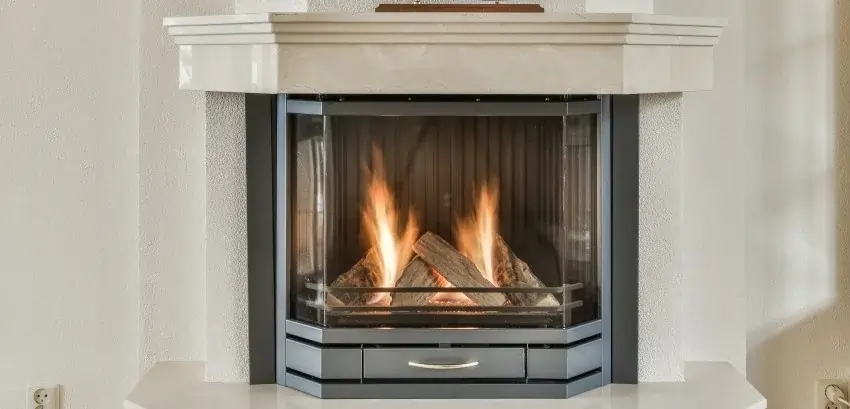
Tell us the days and hours that suit you and we will look for an opening that matches. We confirm the arrival window ahead of time so you can plan your day in White Rock. Request a time for Regency fireplace and stove service.
Clearer draft, cleaner flue: Chimney Cleaning for White Rock homes
Chimney Sweep visits that leave White Rock living rooms clean
Flue brushing, damper checks, cleanup: Chimney Sweep Services in White Rock
What Fireplace Experts check in your White Rock chimney
Glass cleaned without scratches: Gas Fireplace Cleaning
Yearly Gas Fireplace Maintenance in White Rock, before the cold arrives