Tell us a little about your chimney or fireplace, and we will follow up with a quote for Prefab Chimney Installation White Rock
Houses change over time. Fireplaces get converted, rooms are added, roofs are replaced and old chimneys are left doing jobs they were never designed for. When that happens, a search for “prefab chimney installation” is a natural next step. Here you will find practical answers about factory-built chimney installation for homes in White Rock, written to help you weigh your options calmly before you commit to anything or anyone climbs a ladder.
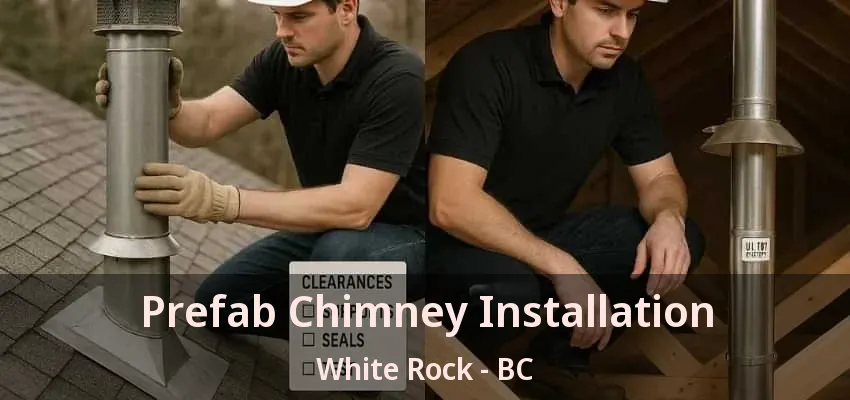
A chimney works by letting hot exhaust rise through a sealed channel, the flue, and leave the house above the roofline. Warm gases are lighter than the cooler air outside, so they rise, and that rising column pulls fresh air into the fire behind it. This pull is called draft. Height helps, because a taller flue creates a stronger pull and clears nearby roof surfaces. Size matters too: a flue that is too large for the appliance cools the gases and weakens draft, while one that is too small cannot carry all the exhaust. Anything that blocks or leaks along the path disrupts the balance.
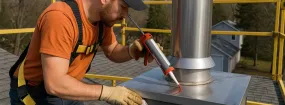
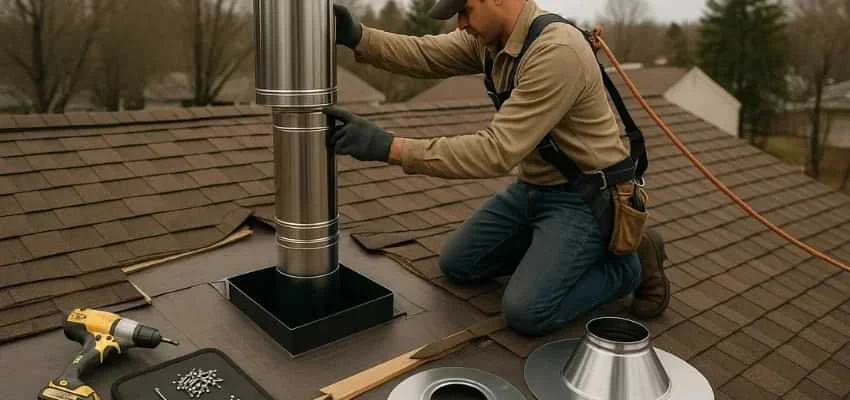
A prefab chimney is a kit that is tested as a system, which is the most important thing to know about it. The pipe, the spacers that hold it away from wood, the firestops where it passes through floors and the cap on top are all designed together, usually for a specific fireplace or stove. On the job, that means we follow the manufacturer’s instructions exactly for clearances and support, and we never mix parts from different systems. We see prefab chimneys on additions, basements and newer homes, and on houses where a masonry chimney would have been too heavy or too costly.
Usually when a new fireplace or wood stove is being added where there is no chimney, or when an existing prefab chimney has worn out, been damaged or no longer matches the appliance. Common signs of a worn system include rust, separated pipe sections, a damaged cap or chase cover and warped parts after a chimney fire. Factory-built chimneys are also used on additions and basements where a masonry chimney would be impractical. If you are researching “prefab chimney installation”, start by confirming exactly which fireplace or stove the chimney will serve, since that decides which system can be used.
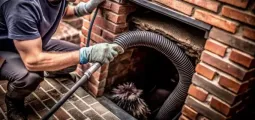
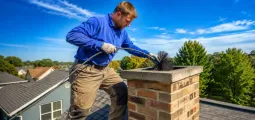
We will not quote serious chimney work without looking first, and that is a fair test of any company. From the roof we check the top of the stack, the crown, pots and caps, the flashing and the brick or siding. Inside we run a camera up the flue to see tiles, joints and any liner. At the bottom we look at the damper, smoke chamber and firebox. That full picture keeps us from selling a cosmetic fix for a structural problem, or the reverse. You end up with a plan built on evidence, which is also the easiest kind to compare against another quote.
Factory-built fireplaces and chimneys are designed and tested together, so the installation instructions name the chimney system that can be used with each unit. Mixing parts from different makers, or pairing a chimney with an appliance it was not designed for, can change clearances, heat resistance and draft in ways nobody has tested. That can create a fire risk inside walls and ceilings. A careful installer checks the appliance’s documentation and nameplate before ordering parts. During factory-built chimney installation, every section, support and firestop should come from the matching system.
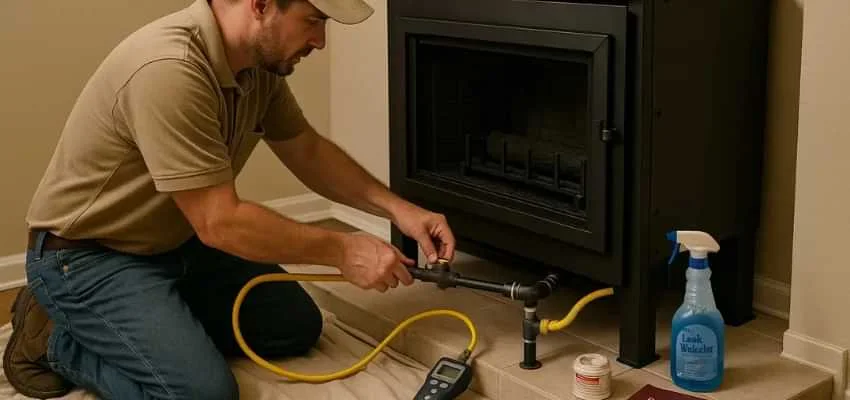
Some chimney work can be done in almost any weather, but masonry, crown work and water repellents need mild, dry conditions. Mortar and concrete should not freeze while they cure, and coatings need dry brick to soak in properly, so those jobs are usually planned for spring through fall. Liner installation, pot fitting and some interior work are less sensitive, though roof access still depends on ice, wind and rain. Booking ahead of the cooler months gives the widest choice of dates. If the forecast turns, a careful company will reschedule rather than rush.
We need three things from you: a cold appliance, a clear path and good information. Cold means no fire or stove use for a day or so, so we can work in the flue safely. A clear path covers the hearth, the route through the house and the ground where ladders go. Good information includes gate codes, where the attic hatch is, any pets at home and anything fragile on the roof, such as skylights. With those sorted, setup goes quickly and the crew can spend its time on the chimney rather than moving patio chairs.
Share the chimney’s material and height, the appliances it serves and your goal, because the more we know before arriving, the more useful the first visit is. Photos taken from the ground, along with one of the fireplace or stove and any nameplate on it, often tell us which parts may be needed. If a home inspection report or an earlier quote mentions the chimney, send that too. We would rather spend five minutes on the phone than make a second trip for a part we could have brought the first time, and you get a firmer estimate sooner.
Choose a chimney contractor that inspects before quoting, explains the cause of the problem and shows you evidence. Look for a company that does the specific work you need, whether flue repair, chimney pots, waterproofing or factory-built chimney installation, and ask to see photos of similar jobs. A clear written quote, a realistic timeline and an explanation of how the home will be protected are good signs. Read recent reviews for comments about communication and tidiness. Be cautious with anyone who pushes a large job without photos or pressures you to decide on the spot.
Once you know the work is due, the next step is simple. Tell us a little about your chimney and the days that suit you, and we will suggest a time that works. Request a quote and the Chimney Sweep White Rock team will follow up with details.
Clearer draft, cleaner flue: Chimney Cleaning for White Rock homes
Chimney Sweep visits that leave White Rock living rooms clean
Flue brushing, damper checks, cleanup: Chimney Sweep Services in White Rock
What Fireplace Experts check in your White Rock chimney
Glass cleaned without scratches: Gas Fireplace Cleaning
Yearly Gas Fireplace Maintenance in White Rock, before the cold arrives