Tell us a little about your chimney or fireplace, and we will follow up with a quote for Fireplace Vent Cleaning White Rock
Wood heat is simple in principle: the fire burns in the box and the smoke rises up the chimney. Keeping it that simple takes a clean flue, sound masonry and parts that seal the way they should. If “fireplace vent cleaning” was your search, here is what households around White Rock usually want to know about fireplace flue cleaning, explained in a straightforward way, so you can decide what your own fireplace needs.
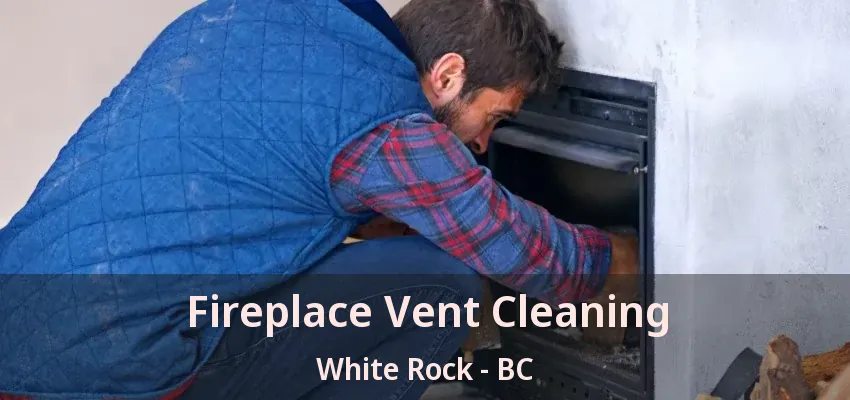
A proper cleaning includes the chimney, because that is where most of the soot and creosote collects. The firebox or stove interior is cleared of ash and loose debris, but the main work happens in the flue above it, along with the smoke chamber of a fireplace or the pipe that connects a stove. Some quick-clean offers stop at the visible parts, so ask what is included before booking. A complete job also looks at the cap at the top, works the damper and finishes with a vacuumed hearth, so the whole path the smoke travels has been covered.
Creosote is unburned fuel: tiny droplets of tar and gas that leave the fire, cool on the way up and stick to the flue walls. We grade it by texture on every job. A light, powdery coat brushes away easily. A thicker, flaky or bubbly layer takes more effort and tells us fires are running cool or the wood is wet. A glossy, glazed coating is the one that concerns us, because it is stubborn to remove and burns intensely if it catches. Where we find heavy deposits, we talk through wood and burning habits, since changing those is what slows the next round of buildup.
On a wood-burning fireplace, the vent is the flue: the passage inside the chimney that carries smoke and gases outdoors. In a masonry chimney it is usually lined with clay tiles or a metal liner; in a factory-built fireplace it is an insulated metal pipe designed for that unit. Some fireplaces also have a small outside air vent that feeds the fire. When people search for “fireplace vent cleaning”, they generally mean cleaning the flue, though the outside air vent and the chimney cap screen can collect debris too and are worth checking.
They are two different jobs, and we usually do them in the same visit. Sweeping is physical work: brushes and a vacuum clear the flue and everything between it and the fire until the surfaces are clean. Inspecting is looking and judging: we check for cracked flue tiles or firebrick, open mortar joints, a damper that no longer seals, a missing cap and combustible trim sitting too close to the heat. Doing both at once makes sense, because a freshly brushed flue reveals defects that a coated one conceals. The inspection notes are what tell you whether the fireplace is ready for the season.
You know it is time when the flue shows visible buildup or the fire starts behaving differently. With everything cold, shine a flashlight up past the open damper or into the stove outlet: a layer of soot or creosote that you can scrape with a poker is a common sign. Other clues include fires that are harder to start or keep going, smoke lingering in the room, a strong smoky smell, black flakes falling onto the hearth and stove glass that darkens quickly. If nobody remembers the last cleaning, that alone is a good reason to book one.
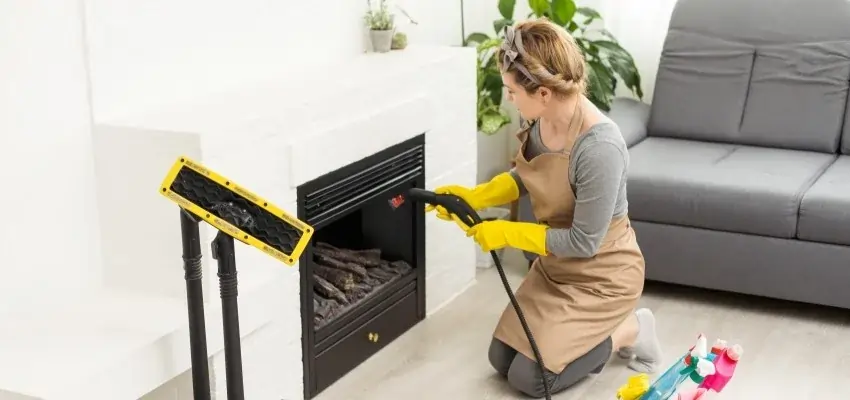
Yes. Metal flues in factory-built fireplaces are usually cleaned with stiff poly brushes that match the pipe diameter, since wire brushes can scratch the inner surface and loosen joints. Care is taken not to dislodge sections or damage the cap assembly. Masonry flues lined with clay tile are often cleaned with steel brushes sized to the tile, and the smoke shelf and smoke chamber get hand cleaning. In both cases, the technician should check joints, seams and the top termination while working. Knowing your flue type helps the company bring the right tools.
A routine cleaning or inspection usually takes about one to two hours, and a combined sweep and inspection can run a little longer. Time depends on how much creosote has built up, how tall the chimney is, whether the roof has to be accessed and whether a stovepipe must come apart. Glazed deposits and any small repairs agreed on during the visit add time, while larger masonry work is normally scheduled separately. Plan to be home for the whole visit and allow a few minutes at the end to go over the findings. Describing your setup when booking helps the company estimate the time.
Dry, seasoned wood that has been split and stored for six months to a year or longer burns cleanest, because it lights easily and produces less smoke and creosote. Wet wood wastes heat boiling off water, smolders and coats the flue faster. Well-seasoned pieces are lighter, show cracks across the ends and sound hollow when knocked together, and an inexpensive moisture meter takes out the guesswork. Splitting and stacking wood in spring, off the ground and covered on top, usually has it ready for the colder months. Never burn painted or pressure-treated lumber, trash or cardboard boxes.
Look for a company that explains its thinking and backs it with evidence; that is what we would want from anyone working on our own homes. A team that knows the work asks what kind of appliance you have, how you use it and what you have noticed. On the visit, it shows you the inside of the flue rather than handing down a verdict, and it tells you plainly when something can wait. Careful setup and clean-up say a lot about the rest of the job. Scare tactics are a red flag, because a real problem can be shown in a photo and explained calmly.
When we know what to expect, we can usually plan everything for a single appointment. Share a few details about your home and your fireplace ahead of time. Plan fireplace flue cleaning with Chimney Sweep White Rock and keep the disruption small.
Clearer draft, cleaner flue: Chimney Cleaning for White Rock homes
Chimney Sweep visits that leave White Rock living rooms clean
Flue brushing, damper checks, cleanup: Chimney Sweep Services in White Rock
What Fireplace Experts check in your White Rock chimney
Glass cleaned without scratches: Gas Fireplace Cleaning
Yearly Gas Fireplace Maintenance in White Rock, before the cold arrives