Tell us a little about your chimney or fireplace, and we will follow up with a quote for Fireplace Throat Services White Rock
A fireplace has to work properly before it can look its finest, and that idea runs through every answer below. Homeowners around White Rock who search for “fireplace throat services” often focus on one visible problem, which is the right place to start, yet the surrounding parts matter too. Here you will see how fireplace throat repair is approached, which checks protect your home and how to plan the job so it holds up well over time.
It is the transition zone between the throat and the flue, and it does more work than most people realize. Shaped like an inverted funnel, it gathers smoke and guides it into the flue opening. When we look up past the damper with a camera, we often find corbelled brick steps, missing mortar or a layer of glazed creosote clinging to rough walls. Those surfaces slow and swirl the smoke, which can push it back into the room and let deposits build. A smooth, sound chamber helps the fireplace draft properly and keeps hot gases away from the house structure.
The throat is the narrow opening at the top of the firebox where smoke leaves the fire and enters the chimney system. In most masonry fireplaces, the damper sits in the throat, and just behind it is the smoke shelf, with the smoke chamber above. The shape of the throat helps the fireplace draft, so damage or poor construction there can cause smoke to spill into the room. People searching for “fireplace throat services” are usually dealing with a damper that sticks, debris on the shelf or crumbling masonry around the opening, all of which are part of throat work.
The smoke shelf is the flat or slightly curved ledge behind the damper, at the base of the smoke chamber. Its shape helps turn back cold downdrafts, but it also catches whatever falls down the chimney: soot, creosote flakes, leaves, nest material, mortar crumbs and rain. A shelf piled with debris can restrict draft, hold moisture against the masonry and, with creosote, add fuel near the fire. It is out of sight from the room, so it gets overlooked. Clearing and checking it is a standard part of fireplace throat repair and of a thorough sweep.
A damaged smoke chamber is usually repaired by cleaning it, resetting any loose bricks and coating the walls with a heat-resistant mortar, a process called parging. The coating fills the steps between bricks and seals cracks, leaving a smooth, sloped surface that guides smoke into the flue. The work is done from inside the fireplace and from above with specialized trowels and tools, and the result is checked with a camera. Because the surfaces must be clean for the coating to bond, a sweep comes first. The new surface then needs time to cure before the fireplace is used.
The working time is usually shorter than the calendar time. A damper or firebrick repair may take a few hours, and a surround can be refaced in a few working days, but mortar and adhesives need curing time and gas work needs scheduling and testing. Materials are the other variable: custom stone, a made-to-order mantel or an insert can take weeks to arrive. We give homeowners two dates when we plan: when work starts and when the fireplace can be used again. For most families the second date matters most, especially heading into the colder months.
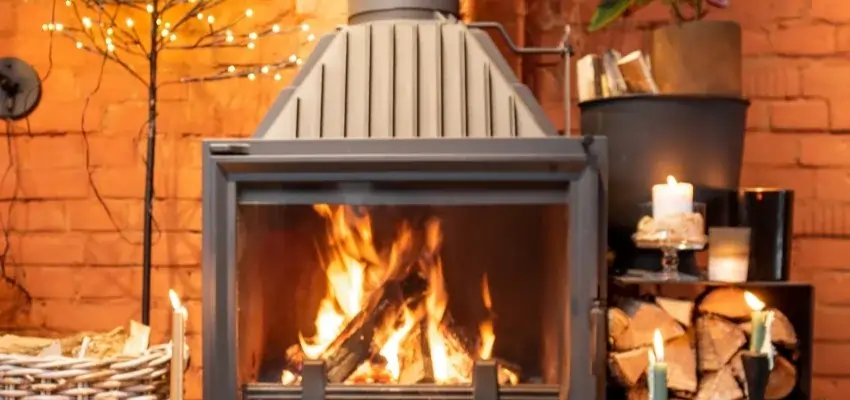
A throat damper can often be repaired if the problem is a seized pivot, a broken handle or debris, but a rusted-through or badly warped plate is usually replaced. One common replacement is a top-sealing damper, which mounts at the top of the chimney and closes with a cable that runs down to the fireplace. It seals tightly with a gasket and doubles as a cap that keeps rain and animals out. Its cost depends on the chimney size and access. The right choice depends on the damper’s condition, how the chimney is built and how tightly you want it to seal.
Ask the contractor for a specific date, because it depends on the materials used. Mortar, refractory cement and some adhesives need time to cure before they face heat, and lighting a fire too soon can crack fresh joints or loosen new finishes. After masonry work, the first fires are usually kept small to drive out remaining moisture gradually. Gas conversions are tested by the installer before handover. Keep the first few fires modest, watch for smoke in the room and make sure your smoke and carbon monoxide alarms work.
When homeowners show us competing quotes, the gap usually comes from scope. One quote may cover a new surround but say nothing about the cracked firebricks behind it; another includes the repair and the curing time. We suggest laying them side by side and asking three questions of each: what exactly is being fixed, what exactly is being installed and what happens if something unexpected turns up when the old finish comes off. Clear, specific answers point to a contractor who has thought the job through. Vague ones usually mean extras later.
Ask to see their work, inside the firebox as well as on the wall. A company that does fireplaces well can show you finished surrounds and mantels, but also the less glamorous jobs: rebuilt fireboxes, parged smoke chambers and replaced dampers. Those pictures tell you it understands the working parts, not just the decoration. Listen for questions about your chimney and how you use the fireplace. A contractor who mentions an inspection before quoting, explains curing time and says which parts of the job go to a gas technician or other specialist is usually a safe pick.
We work with people who live in their homes and with people who look after rental units around White Rock. Either way, you get a clear explanation of the work and what we found. Request a quote for one home or several and we will plan the visits with you.
Clearer draft, cleaner flue: Chimney Cleaning for White Rock homes
Chimney Sweep visits that leave White Rock living rooms clean
Flue brushing, damper checks, cleanup: Chimney Sweep Services in White Rock
What Fireplace Experts check in your White Rock chimney
Glass cleaned without scratches: Gas Fireplace Cleaning
Yearly Gas Fireplace Maintenance in White Rock, before the cold arrives