Tell us a little about your chimney or fireplace, and we will follow up with a quote for Fireplace Makeover Services White Rock
Fireplace vocabulary can be confusing: firebox, throat, smoke chamber, surround, hearth extension. This page cuts through it. If you are in White Rock and found us by looking up “fireplace makeover services”, you will find straightforward explanations of fireplace renovation in everyday words, without jargon or pressure. Start with the parts that match your project and keep the rest for later, when the next question comes up.
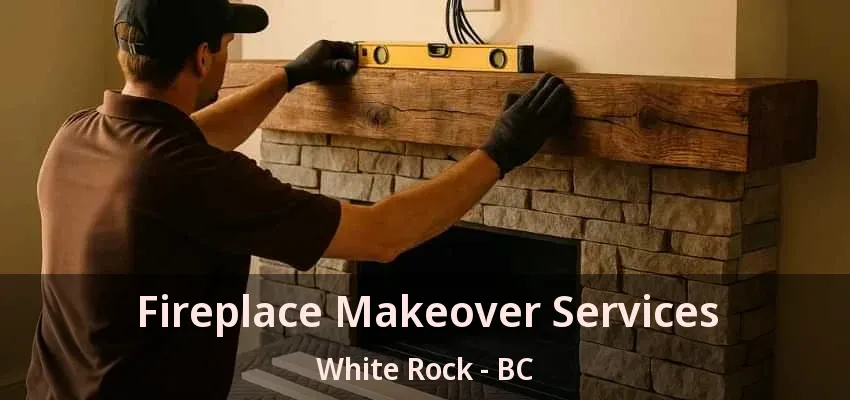
A makeover can be as small as fresh paint on the brick or as large as a new surround, hearth and mantel. Common pieces are refacing with stone, tile or plaster, a new or refinished mantel, a raised or extended hearth, new glass doors and a modern insert or gas conversion. Built-in shelving or lighting on either side often comes into the plan too. People searching for “fireplace makeover services” usually have a look in mind, and the job is turning it into a scope that suits the fireplace, the room and the budget. Any repairs found along the way should come first.
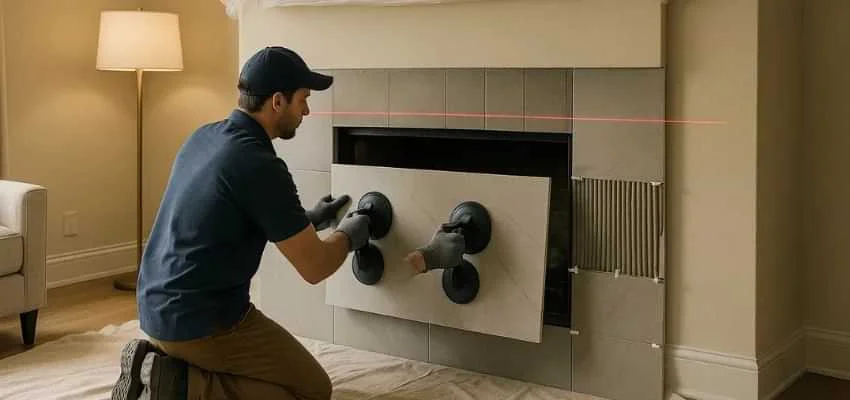
Common refacing materials include natural or manufactured stone veneer, ceramic and porcelain tile, thin brick, plaster or stucco finishes and painted or limewashed existing brick. The area right around the opening needs noncombustible materials suited to the heat, while wood trim and mantels must sit farther back, as the fireplace manufacturer or local rules require. Each material affects weight, cost and upkeep: natural stone is heavy and may need extra support, tile is easy to clean and paint is the quickest refresh. Samples viewed in your own room’s light make the choice easier.
Yes. A makeover covers the face of the fireplace, so anything wrong behind it, such as cracked firebricks, loose mortar, a damaged damper or a deteriorated smoke chamber, becomes harder and costlier to reach afterward. Fixing those problems first also protects the new finishes from heat and moisture coming through. That is why an inspection should open the project, whichever company your search for “fireplace makeover services” leads you to. If the inspection turns up repairs, ask for them to be priced separately from the cosmetic work, so you can see what is needed for safety and what is part of the new look.
We protect the room with floor coverings, sealed openings and a contained work area, and the setup takes time on purpose because masonry dust travels. The floor is covered from the door to the hearth, plastic is taped around the fireplace opening and, for messy demolition, we build a small enclosure so dust stays in one spot. Cutting is done with dust collection where the tools allow, and mixing happens outside or on protected ground. At the end of each day we vacuum and tidy. Some fine dust can still escape on a demolition day, but it should be minor.
In many cases we go right over it, which saves demolition, dust and time. The deciding factors are condition and flatness. Brick with solid joints can be cleaned, patched and given a bonding coat or cement board where the new material needs it, then tiled or veneered. If the face is badly uneven, coated in slick paint or shedding mortar, we deal with that first. We also check how far a new layer will project, because thicker finishes change the depth of the hearth and the relationship to the mantel. Removal is reserved for brick that cannot support the new finish.
Small repairs, such as replacing a few firebricks or fixing a damper, often take a single visit, while refacing, mantel work or a conversion can take several working days spread over a week or two. Masonry and mortar need time to cure before the fireplace is used, and some finishes must set before the next layer goes on. Ordering stone, tile, a mantel or a gas insert can add weeks before work starts. Ask for a schedule that shows working days, waiting time for curing or materials and the earliest date you can light a fire again.
The cost depends mostly on the scope of work, the materials and what turns up once old surfaces come off. A simple refresh with paint or a new mantel shelf costs far less than full stone refacing, a gas conversion or rebuilding a firebox. Material choice matters too: natural stone, custom millwork and specialty tile cost more than standard options. Access, the size of the fireplace and any hidden damage add time, while gas work, liners and venting add parts. A clear, itemized quote that separates repairs from finishes makes options much easier to compare.
Clear the area around the fireplace well beyond the hearth: furniture, rugs, artwork above the mantel, screens, tools and anything on the mantel shelf. Stop using the fireplace a day or two before so the firebox is cold, and remove ashes if the crew asks you to. Plan a clear path from the door to the room and a spot to stage materials, such as a garage or driveway. If you are choosing finishes, have samples approved before the start date. Keep pets and children away from the work area and agree on where the crew can wash tools.
It can be, if heat and mounting are planned for. Electronics can be damaged by rising heat, so check the TV maker’s guidance and hold your hand under the spot while the fireplace runs: if it feels hot, the TV will too. A deeper mantel can deflect some heat. The mount must anchor into solid masonry or framing, and wiring should run through proper channels rather than across hot surfaces. Some factory-built fireplaces allow wall finishes above them only within set limits, so check the manual. Viewing height matters as well, since a TV over a mantel often sits high.
Tell us the days and hours that suit you and we will look for an opening that matches. We confirm the arrival window ahead of time so you can plan your day in White Rock. Request a time for fireplace renovation.
Clearer draft, cleaner flue: Chimney Cleaning for White Rock homes
Chimney Sweep visits that leave White Rock living rooms clean
Flue brushing, damper checks, cleanup: Chimney Sweep Services in White Rock
What Fireplace Experts check in your White Rock chimney
Glass cleaned without scratches: Gas Fireplace Cleaning
Yearly Gas Fireplace Maintenance in White Rock, before the cold arrives