Tell us a little about your chimney or fireplace, and we will follow up with a quote for Fireplace Maintenance White Rock
Plenty of people around White Rock inherit a fireplace or wood stove along with a house and have no idea when anyone last looked at it. Typing “fireplace maintenance” into a search bar is a sensible first move. The questions below are the ones homeowners raise most often about fireplace maintenance, answered in plain language and with the reasoning behind each answer, so you can judge what applies to your home and what does not.
Creosote is the dark residue that forms when wood smoke cools and condenses inside a chimney or stovepipe, and it matters because it burns. It starts as dry, flaky soot, can thicken into a crunchy or sticky tar and at its worst becomes a hard, shiny glaze. A thick layer can ignite and cause a chimney fire. Creosote builds faster when wood is damp, when fires smolder with too little air and when the flue stays cold, as it often does in a chimney on an outside wall. Burning dry wood with a lively flame and having the flue swept when buildup appears keeps it under control.
You know it is time when the flue shows visible buildup or the fire starts behaving differently. With everything cold, shine a flashlight up past the open damper or into the stove outlet: a layer of soot or creosote that you can scrape with a poker is a common sign. Other clues include fires that are harder to start or keep going, smoke lingering in the room, a strong smoky smell, black flakes falling onto the hearth and stove glass that darkens quickly. If nobody remembers the last cleaning, that alone is a good reason to book one.
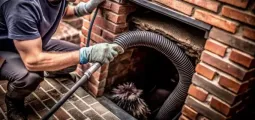
A sweep cleans the whole smoke path, and we work from the fire upward and from the room outward. First the hearth and nearby floor are covered, then a high-suction vacuum goes on, keeping the room under slight negative pressure so soot is drawn toward our equipment instead of drifting out. Brushing comes after that: rotary or wire brushes sized to the flue, pushed through in sections until the walls are clear. The smoke shelf behind the damper is where loose debris piles up, so it gets cleaned by hand. We finish by checking the damper seal, looking at the cap and showing the homeowner photos of anything worth discussing.
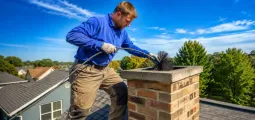
Quotes vary because no two chimneys take the same time, equipment or care. A single-story home with a short chimney and light buildup is quick work. A tall or steep roof needs more setup and safety gear. Heavy or glazed creosote takes extra passes and different tools. A camera scan adds time but leaves you with a record of the flue. Findings then become their own items: a missing cap, a damper that will not close or loose firebrick are priced separately. That is why we ask a few questions about your fireplace before giving any figure.
In most cases it does, because the expensive fireplace problems usually grow out of small ones left alone. A cap that costs little to replace keeps water out of the damper, the smoke chamber and the mortar joints. A sweep that removes creosote reduces the chance of a chimney fire that can crack a flue. Loose firebrick reset early avoids a full firebox rebuild later. Routine fireplace maintenance will not stop every repair, but it spreads costs out, gives you warning and keeps the big projects rarer.
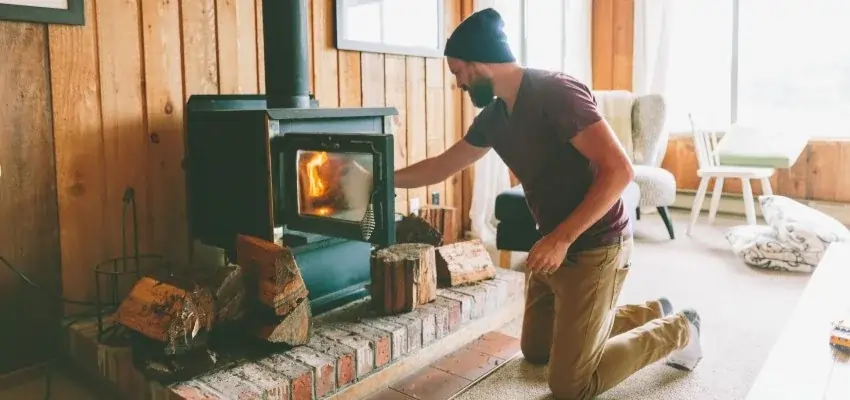
There is no need to clean the fireplace or stove before the visit, although clearing out a deep pile of completely cold ash is helpful. Technicians empty the firebox as part of the job and can learn something from what is there, such as how much creosote is falling or whether bricks are flaking. What matters most is that the ashes are cold, which can take several days after the last fire, since buried embers stay hot far longer than they look. Do take out unburned logs, kindling and decorations so the firebox is easy to reach.
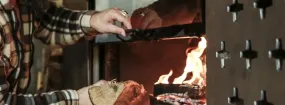
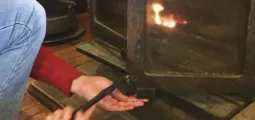
Check the parts that sat untouched all summer, the alarms and the wood supply; our own pre-season list is that short. Dampers can rust or stick, so work them open and closed. Caps and screens may have gathered leaves or a nest. Glass door latches and stove gaskets should still close snugly. A carbon monoxide alarm with a dead battery protects nobody, so test it. Then comes the fire itself: dry kindling, seasoned logs and a modest first burn while you watch how the smoke behaves. If it rolls into the room or smells odd, let it die down and call for a check.
Clean glass doors only when they are completely cool, using a cleaner made for fireplace glass and a soft cloth, since abrasive pads scratch the surface. Check that the doors open, close and latch smoothly and that the frame is not sagging or separating from the opening. Follow the door maker’s guidance on whether the doors should be open or closed while a fire burns, because some glass is not meant to face a roaring fire with the doors shut. Inspect mesh screens for tears or gaps that could let sparks through, and replace damaged ones before the next fire.
Everyday upkeep is a homeowner job, but sweeping and inspecting the chimney are better left to a professional. Safe tasks include removing cold ashes, cleaning glass doors with a product made for fireplace or stove glass, keeping the hearth area clear, checking that the damper opens and closes and testing smoke and carbon monoxide alarms. Brush kits are sold, but they cannot tell you whether the liner is cracked, the smoke chamber is coated or the cap is damaged, and climbing onto a roof brings its own risk. A professional visit includes a look at the parts you cannot see.
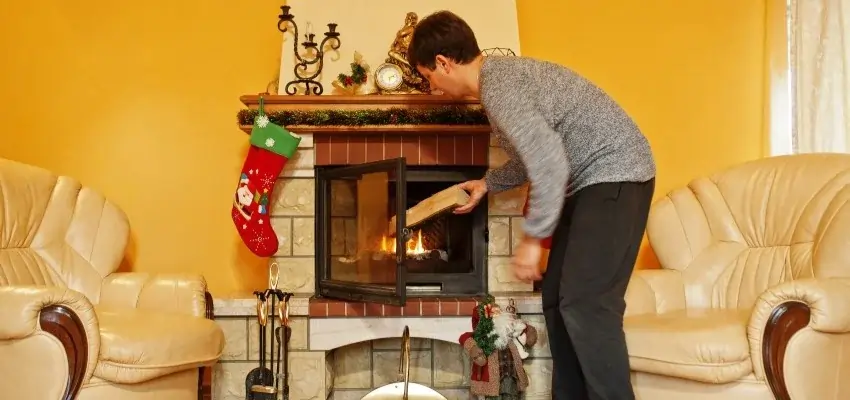
We would rather explain one thing clearly than list ten things you do not need. Ask us what matters for your home in White Rock and we will give you a straight reply. Get in touch with Chimney Sweep White Rock whenever you are ready.
Clearer draft, cleaner flue: Chimney Cleaning for White Rock homes
Chimney Sweep visits that leave White Rock living rooms clean
Flue brushing, damper checks, cleanup: Chimney Sweep Services in White Rock
What Fireplace Experts check in your White Rock chimney
Glass cleaned without scratches: Gas Fireplace Cleaning
Yearly Gas Fireplace Maintenance in White Rock, before the cold arrives