Tell us a little about your chimney or fireplace, and we will follow up with a quote for Fireplace Cleaning White Rock
Advice about wood fires tends to swing between extremes. One neighbor never has the chimney touched, while another is told every hairline crack is a disaster. Neither helps much when you are trying to decide what your own fireplace needs. If you searched for “fireplace cleaning”, the answers here aim for the practical middle, explaining fireplace cleaning for homes in White Rock with enough detail to make a confident decision.
Creosote is unburned fuel: tiny droplets of tar and gas that leave the fire, cool on the way up and stick to the flue walls. We grade it by texture on every job. A light, powdery coat brushes away easily. A thicker, flaky or bubbly layer takes more effort and tells us fires are running cool or the wood is wet. A glossy, glazed coating is the one that concerns us, because it is stubborn to remove and burns intensely if it catches. Where we find heavy deposits, we talk through wood and burning habits, since changing those is what slows the next round of buildup.
A fireplace or stove usually smells when it is not in use because creosote and soot in the flue give off odor, especially in humid weather. Moist summer air reacts with those deposits and makes the smell stronger, and rain coming down an uncapped chimney adds a damp, musty note. The house can make it worse: kitchen and bathroom fans or a running dryer can pull air down the chimney and into the room. A sweep removes most of the source, a cap keeps rain out and a tightly closing damper cuts the downdraft. A sharp, rotten smell is different and can mean an animal in the flue.
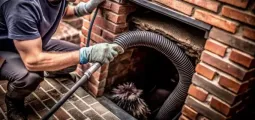
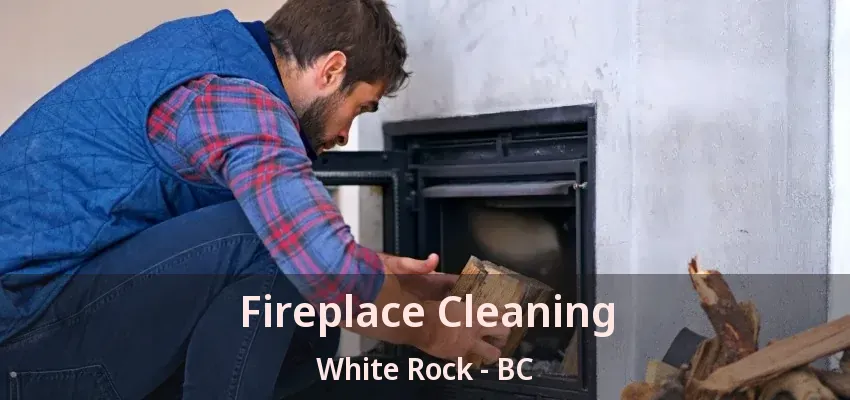
During a fireplace sweep, the technician cleans the full smoke path from the firebox to the top of the chimney while keeping soot out of your room. A typical visit starts with drop cloths and a sealed opening, with a vacuum running to hold fine dust back. Brushes on flexible rods are then run through the flue, from below, from the roof or both. The smoke shelf and smoke chamber above the damper are cleared, the damper is cleaned and tested, and ash and debris are removed from the firebox. You should get a short summary of what was found.
Very little soot should reach the room when the job is set up correctly. Soot is very fine and rides the slightest air current, so our setup is built around containment. Covers go down first, the opening is sealed, and a vacuum with fine filtration runs throughout, pulling air toward the equipment. Brushing loosens the deposits, which fall into the firebox to be collected rather than scattered. The messiest moments are usually dismantling a stovepipe or reaching past a stubborn damper, and we slow down there. Before packing up, we vacuum the hearth and check the floor around it.
We take care of the smell by removing its source first and then cutting off its path indoors. Cleaning removes most of the odor-producing deposits, including the sticky layer that builds up on the smoke shelf or behind a stove baffle. Then we look at why air is flowing down the chimney: a damper that does not seal, a missing cap letting rain soak the soot, or a house pulling air through exhaust fans. Fixes range from a new damper gasket to a top-sealing damper or a cap. Odor that survives all that sometimes comes from deposits soaked into the masonry, which may call for a deodorizing product applied by the technician.
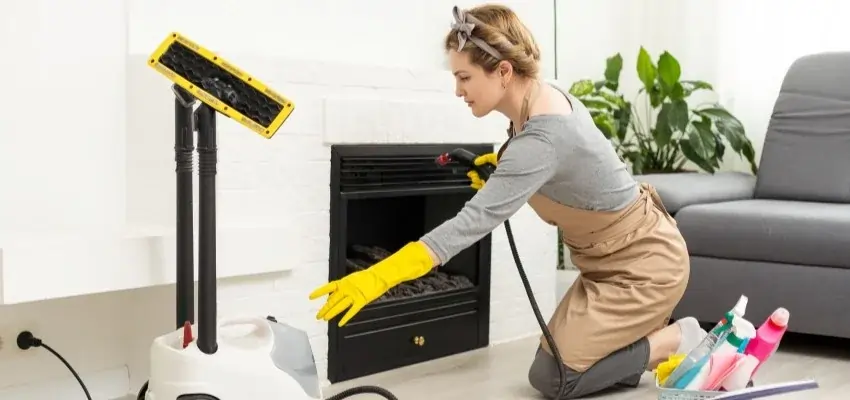
Cleaning a fireplace properly relies on a handful of specialized tools. Brushes come in wire for masonry flues lined with clay tile and in stiff poly for metal flues that a wire brush could scratch, sized to match the shape of the flue. They attach to flexible rods that snap together to reach the full height of the chimney, and some technicians use rotary systems that spin the brush with a drill. A vacuum with fine filtration keeps soot contained, while lights, mirrors and inspection cameras show what the brushes have reached. Drop cloths and hand tools finish the smoke shelf and firebox.
One to two hours covers most cleaning and inspection visits we make, with the chimney deciding which end of that range applies. Setup and floor protection take a few minutes, brushing takes the bulk of the time, and clean-up plus a walkthrough close things out. Tall chimneys, steep roofs and several flues stretch the visit, as do thick layers that need extra passes or special tools. Repairs are their own matter: a damper handle may be fixed on the spot, while firebrick or crown work gets a separate appointment. Since time shapes the price, an accurate description up front helps everyone.
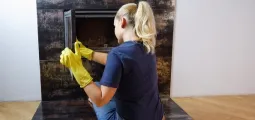
Usually, yes, and the stain is worth reading before you scrub it. Soot on the brick or stone above the opening often means smoke has been rolling out of the firebox, so the draft deserves a check along with the fireplace cleaning visit. For the stain itself, a dry soot sponge lifts loose residue without smearing it deeper, and a mild soap solution can follow on sealed or glazed surfaces. Avoid wire brushes and harsh acids, which can scar soft brick and mortar. Test any method on a hidden spot first, and leave stubborn or porous stone to a professional.
Ask about scope, evidence and pricing, since those answers reveal most of what you need to know:
It is also fair to ask whether they work on your type of appliance. Specific, confident answers are reassuring; vague ones are a cue to compare another company.
Some questions are easier to answer in a quick call than in a form. Phone (778) 770-1602 and tell us about your fireplace. We will explain the options, give you a sense of timing and book a visit in White Rock if you decide to go ahead.
Clearer draft, cleaner flue: Chimney Cleaning for White Rock homes
Chimney Sweep visits that leave White Rock living rooms clean
Flue brushing, damper checks, cleanup: Chimney Sweep Services in White Rock
What Fireplace Experts check in your White Rock chimney
Glass cleaned without scratches: Gas Fireplace Cleaning
Yearly Gas Fireplace Maintenance in White Rock, before the cold arrives