Tell us a little about your chimney or fireplace, and we will follow up with a quote for Dryer Vent Replacement White Rock
Maybe the dryer is fine and you are just curious. Maybe the clothes come out damp, or there is a smell you cannot quite place. Either way, looking up “dryer vent replacement” makes sense, and one simple rule sorts most homes in White Rock into the right group. A single slow load is rarely a concern. Loads that keep taking longer, a cabinet that feels hot to the touch or a scorched smell near the machine are the signs worth acting on, and a good moment to ask about dryer vent replacement.
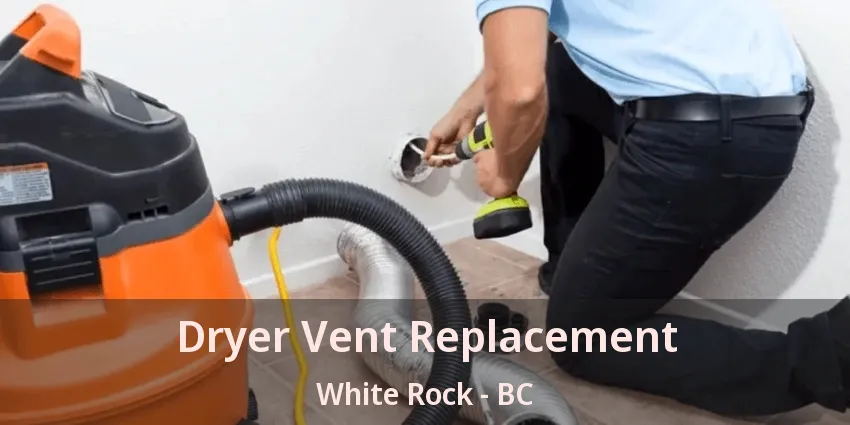
Dryer vent cleaning matters because the vent is the only way hot, moist air and loose lint can leave the machine. When lint narrows that path, the dryer has to run longer to finish each load, which wastes energy and wears out parts such as the heating element and blower. Heat also builds up inside the cabinet and duct, and lint ignites easily. Keeping your dryer vent clear helps loads dry on time, keeps the laundry room cooler and reduces a known fire risk in many homes. It is a small job compared with replacing a dryer that has been straining for too long.
Rigid or semi-rigid metal duct is generally the safer choice for a dryer vent, while thin foil and white plastic hoses are widely discouraged. Smooth metal walls let lint slide through instead of catching on ridges, and they hold their shape so the path stays open. Foil accordion hose sags, kinks and flattens easily behind the dryer, creating pockets where lint collects. Plastic hose can melt or burn and is not meant for dryer exhaust. If you can see white plastic or flimsy foil behind your dryer, ask about a replacement the next time the vent is serviced.
It can. Lint is light, dry and burns easily, and a clogged vent traps both lint and heat close to the dryer’s heat source. Dryers have safety switches that cut the heat when temperatures climb too high, but those parts can wear out, and a blocked vent makes them trip far more often. The risk for any single home is modest, yet it is real enough that keeping the vent clear is widely recommended. Empty the screen every time you use the dryer, avoid running it when nobody is home and have the vent cleaned if drying times are getting longer.
The pattern we hear most is a dryer that used to finish a load in one cycle and now needs two. That change happens gradually, so people adapt without noticing. Other things we look for on arrival: a scorched-dust smell near the machine, a top panel that is hot to the touch and a weak puff of air at the exterior opening. Sometimes the dryer shuts off mid-cycle because its overheat protection has tripped. When several of these show up at once, the vent is almost always involved, and clearing it is the first fix to try.
Condo and townhouse dryer vents need regular cleaning just like detached homes, and often more, because their runs tend to be longer and harder to reach. A vent may travel across a ceiling to an outside wall, up through a roof or to an exterior wall several rooms away from the laundry closet. Before booking, check with your building management or association: some buildings clean all vents on a schedule, some require access to a balcony or roof, and some only allow work at set times. Knowing those rules ahead of time keeps the visit simple.
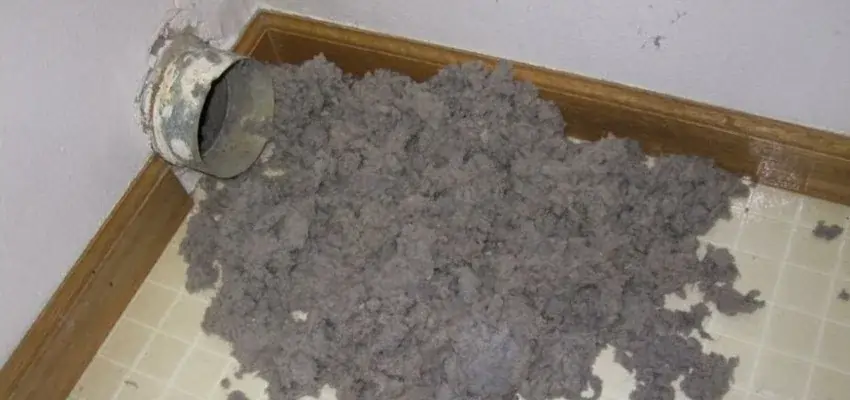
When we put together a price, we are really estimating time and access. A short vent through the wall behind the laundry room is quick. A vent that crosses a finished basement ceiling, climbs to the roof or exits three stories up needs more equipment and more care. Heavy buildup or a nest takes extra passes. Parts are separate from labor, so a new transition hose or hood shows up as its own line. We would rather explain those factors up front than surprise anyone, which is why we ask a few questions about your dryer vent before giving a figure.
Sometimes, but not always. If the duct runs through an unfinished basement, a utility room or an accessible attic, it can usually be replaced without touching finished surfaces. When it is sealed inside a finished wall or ceiling, the installer may need small access openings at joints or elbows, or may suggest a new route that avoids the old one. Ask before work starts who will patch and paint any openings, since some vent companies handle drywall repair and others leave it to you or a contractor. A clear plan avoids surprises during dryer vent replacement.
The flap is a simple one-way valve, and it tells you a lot in a few seconds. With the dryer running, we expect it to lift firmly and stay up. A flap that flutters weakly suggests restricted airflow somewhere upstream. When the drum stops, a healthy flap drops shut so cold air, rain and pests stay out. Lint on the hinge is the usual reason one sticks. We also look for warping and for a housing that has pulled away from the wall. A quick look every few months is one of the easiest checks a homeowner in White Rock can make.
In most cases, yes. Once the new duct is connected and sealed, the installer should run the dryer, check airflow at the exterior hood and confirm the connector has a gentle curve behind the machine. You can start laundry right away. A faint smell from new materials or tape for the first load or two is normal. Keep an eye on drying times over the next week; they should be noticeably shorter if the old vent was the problem. If anything seems off after your “dryer vent replacement” work, call the company back while the job is fresh.
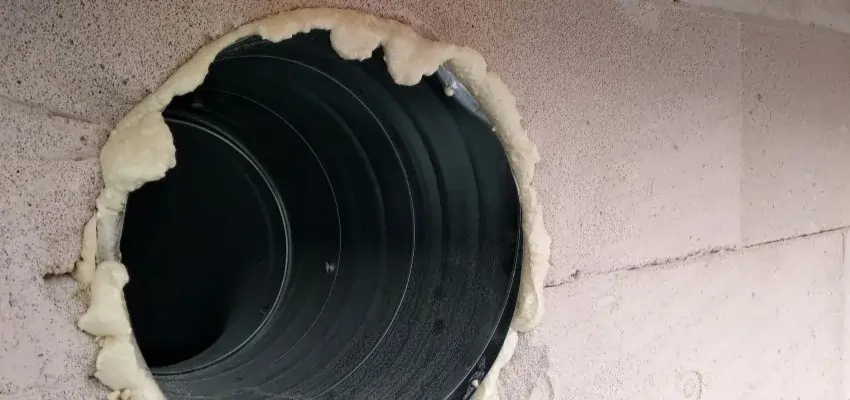
Once you know the work is due, the next step is simple. Tell us a little about your dryer vent and the days that suit you, and we will suggest a time that works. Request a quote and the Chimney Sweep White Rock team will follow up with details.
Clearer draft, cleaner flue: Chimney Cleaning for White Rock homes
Chimney Sweep visits that leave White Rock living rooms clean
Flue brushing, damper checks, cleanup: Chimney Sweep Services in White Rock
What Fireplace Experts check in your White Rock chimney
Glass cleaned without scratches: Gas Fireplace Cleaning
Yearly Gas Fireplace Maintenance in White Rock, before the cold arrives