Tell us a little about your chimney or fireplace, and we will follow up with a quote for Chimney Sweep White Rock
From the street, most chimneys look fine. The trouble, when there is any, usually sits inside the flue or at the very top where nobody looks: dark crusts of buildup, a cracked tile, a nest, a cap loosened by the wind. If you found this page by looking up “chimney sweep”, here is what owners in White Rock should know about chimney cleaning, explained clearly and without exaggeration so you can decide what your chimney needs.
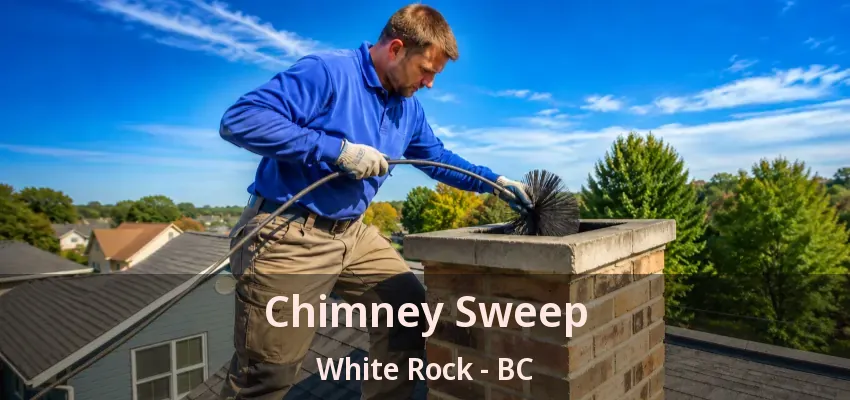
Very little creosote comes from gas, so sweeping is needed far less often than with wood, yet we still find plenty to deal with when we look up a gas chimney. Gas exhaust carries a lot of moisture, and in a cold masonry flue that moisture condenses, mixes with combustion byproducts and slowly eats at mortar joints and clay tiles. Crumbled material piles up at the base, sometimes with an old nest on top. Black soot around the opening of a gas appliance is another warning sign; it usually points to a burner problem for a qualified gas technician to sort out. A yearly check of the flue path, cap and connections is a common recommendation for that reason.
Yes, newer construction has not made sweeping unnecessary. Factory-built fireplaces, high-efficiency wood stoves and inserts still produce creosote, and their metal flues need cleaning and checking just like masonry ones. Some modern stoves burn cleaner, which helps, but how they are used matters more than how new they are. Gas units leave far less residue yet still depend on a clear, intact vent. Whatever the age of your home, a periodic visit keeps the system working as designed and catches wear before it turns into a repair, so a search for “chimney sweep” makes sense even in a brand-new house.
Signs of a chimney fire include a loud roaring or popping sound, dense smoke, a strong hot smell and sparks or flames from the top of the chimney, but many chimney fires burn quietly and are only discovered later. Afterward you might notice puffy, honeycomb-like flakes of creosote on the roof or ground, a warped damper or cap, cracked flue tiles or discolored metal. If you think a fire is happening, get everyone outside and call the fire department. If you suspect one happened in the past, stop using the fireplace or stove until the chimney has been inspected.
Black flakes dropping from the damper, a sluggish fire and a campfire smell that hangs around are the signs we see most, and any owner can spot them. When we open a damper and a shower of debris comes down, the flue is overdue. A fire that sulks, needs constant coaxing or leaves a haze in the room tells us the draft is restricted somewhere. A sharp odor long after the last fire usually comes from deposits in the flue. We also ask about the calendar: if nobody remembers when the chimney was last swept, that alone is reason enough to book a look before the next fire.
Hardened, glazed creosote is usually removed with rotary tools that scrape the flue wall, with chemical products that soften it over several fires, or with both, because an ordinary brush simply slides over its glassy surface. It forms when cool, smoky fires leave layer after layer of tar that bakes hard. Removal often takes more than one visit, and you may be asked to burn a few fires after a chemical application before the technician returns to finish. Sometimes the glaze is so thick, or the liner so damaged beneath it, that replacing the liner is the more sensible option. Ask for photos before and after.
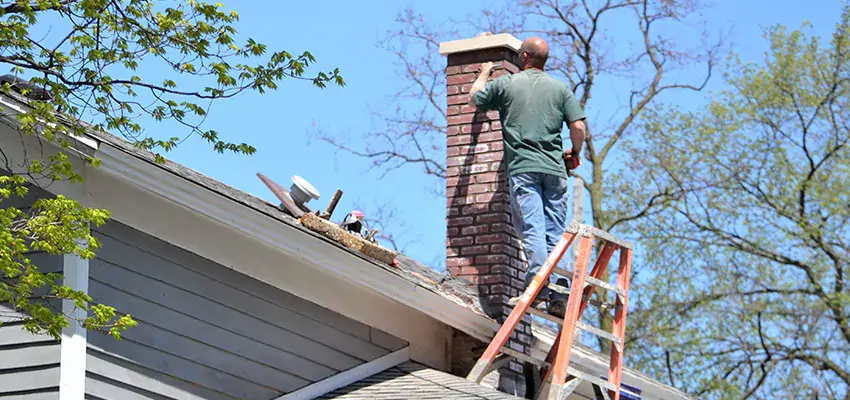
The kit is more varied than most people expect. Flexible rods join together to reach the full height of the flue, with brushes in wire or poly to suit clay tile or stainless steel. Rotary systems spin cleaning heads for stubborn deposits. A strong vacuum with fine filtration keeps soot out of the room, and drop cloths protect the floor. For checking condition, sweeps carry flashlights, mirrors and often a camera on a cable. Ladders, roof anchors and harnesses round it out. When a search for “chimney sweep” leads you to a company, ask what each tool is for; a well-equipped crew can explain it in a sentence.
The cost of chimney work depends mostly on how many flues are involved, how easy they are to reach and how much each one needs. A single fireplace flue on a low roof costs less than a tall chimney on a steep roof or a building with several flues. Stoves and inserts that must be disconnected take longer. Heavy or glazed creosote, a blockage or an animal problem adds time and sometimes a return visit. Camera inspections, written reports, caps and repairs are often priced separately. Ask for a written quote that lists what is included so you can compare companies fairly.
Any home with a fireplace, wood stove or gas appliance should have working carbon monoxide alarms on every level and near sleeping areas, along with smoke alarms. Carbon monoxide has no color or smell, so an alarm is the only dependable warning if a blocked or damaged flue pushes exhaust back indoors. Test alarms monthly, change batteries as the maker suggests and replace the units when they reach the end of their stated life. If a CO alarm sounds, get everyone outside and call the fire department from outdoors. Do not go back in until you are told it is safe.
You can handle simple upkeep yourself, but the sweeping is usually a job for a professional, and creosote sweeping logs only loosen some deposits rather than replacing a real cleaning. Safe tasks include removing cold ashes, keeping the hearth clear, looking up the flue with a flashlight when the fire is out and checking the cap from the ground with binoculars. Full sweeping means roof work, brushes matched to the liner and a way to contain soot indoors, and it skips the inspection a trained technician does at the same time. Leave anything involving the liner, masonry or gas parts to professionals.
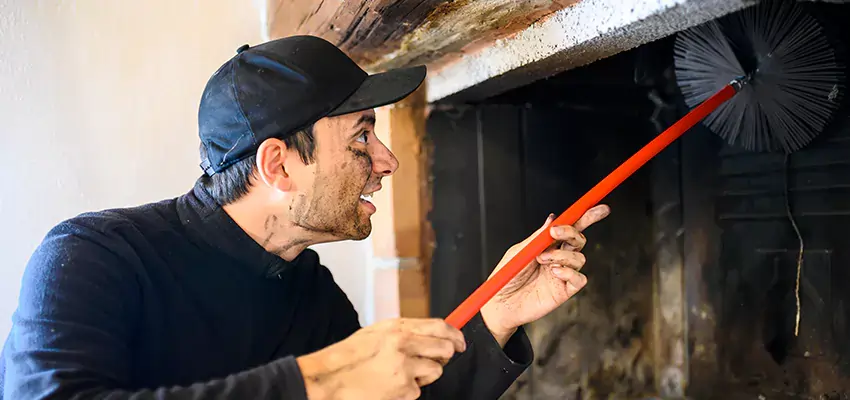
Tell us your address in White Rock, what you have noticed and when you are usually home. That is all we need to plan chimney cleaning around your schedule. Send the details and the Chimney Sweep White Rock team will reply with options and a price.
Clearer draft, cleaner flue: Chimney Cleaning for White Rock homes
Chimney Sweep visits that leave White Rock living rooms clean
Flue brushing, damper checks, cleanup: Chimney Sweep Services in White Rock
What Fireplace Experts check in your White Rock chimney
Glass cleaned without scratches: Gas Fireplace Cleaning
Yearly Gas Fireplace Maintenance in White Rock, before the cold arrives