Tell us a little about your chimney or fireplace, and we will follow up with a quote for Chimney Soot Cleaning White Rock
Maybe you just took over a property with a fireplace nobody explained to you. Maybe you have run the same stove for many winters and never thought much about the flue above it. Either way, looking up “chimney soot cleaning” means you are already asking the right questions. This page gathers what people in White Rock usually want to know about soot cleaning, explained the way a technician would at your hearth.
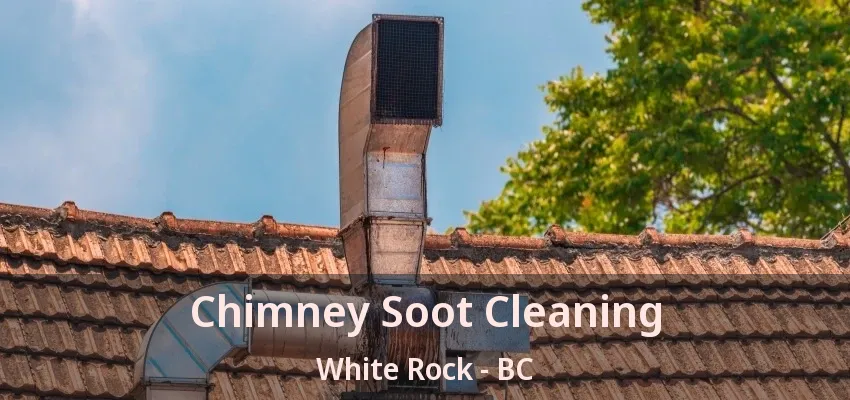
Very little creosote comes from gas, so sweeping is needed far less often than with wood, yet we still find plenty to deal with when we look up a gas chimney. Gas exhaust carries a lot of moisture, and in a cold masonry flue that moisture condenses, mixes with combustion byproducts and slowly eats at mortar joints and clay tiles. Crumbled material piles up at the base, sometimes with an old nest on top. Black soot around the opening of a gas appliance is another warning sign; it usually points to a burner problem for a qualified gas technician to sort out. A yearly check of the flue path, cap and connections is a common recommendation for that reason.
Creosote is condensed wood smoke, and its flammability is the main reason chimney sweeping exists. Smoke carries unburned particles and vapor, and when it meets a cooler surface those compounds stick. We find the heaviest deposits where gases slow down or lose heat quickly: the smoke chamber just above the damper, the bends in a stovepipe and the upper section of chimneys built on an exterior wall. That residue is fuel sitting inside a passage built to carry fire, so a spark or an overloaded firebox can ignite it. That is why we gauge its thickness on every visit and explain what it means for you.
An unswept flue slowly narrows and fills with fuel for a chimney fire, and stopping that is the short version of why we sweep. On the job, the deposits we pull out range from light, dusty soot to crusty flakes and shiny, hardened tar. Each layer makes the next one easier to form, because a rough, narrowed flue cools smoke faster. A neglected chimney also hides its own damage, since nobody can see a cracked tile or a gap in the mortar through a thick coat of buildup. Clearing it is what lets us tell an owner in White Rock whether the fireplace or stove is ready to use.
A chimney often smells worse in summer because humid air dampens the creosote left from the heating season, and air drawn down the flue carries that sharp, smoky odor into the room. The downdraft happens when the house is under slight negative pressure, for example while exhaust fans, a range hood or a clothes dryer are running. Rain entering an uncapped chimney adds a musty note. Closing the damper and any glass doors helps, and a sweep in spring removes most of the deposits behind the smell. If the odor is rotten rather than smoky, an animal or nest may be in the flue.
Soot on the face of a fireplace, especially above the opening, usually means smoke is escaping into the room instead of rising up the flue. Common causes are a damper not fully open, a cold flue at start-up, a house short of fresh air, wet wood or buildup that has narrowed the chimney. Gas fireplaces can leave staining too when the burner is not running cleanly. The stain itself is a clue, so mention it when booking “chimney soot cleaning”. The technician can clear the flue and look for the draft problem that put the soot there in the first place.
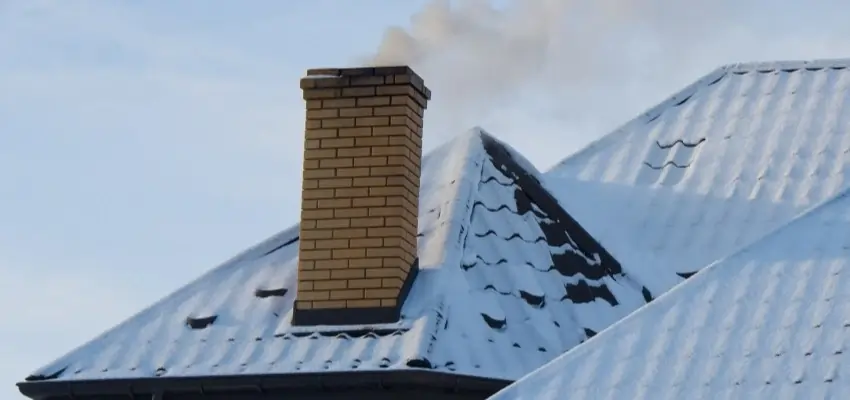
We tell most owners to plan on a yearly visit and let the findings set the sweeping schedule. If we pull out a heavy load after one season, the chimney should be checked sooner next time; if the flue is lightly coated, stretching the interval is reasonable. Fuel and habits matter more than the calendar. Dry hardwood burned hot leaves far less behind than damp wood or a stove turned down overnight, and inserts and stoves often need attention more often than open fireplaces. Keeping a note of each visit and what came out makes the right rhythm for your chimney easy to see.
Preparing for a chimney visit mostly means letting the fireplace or stove cool and clearing space around it. Skip fires for at least a day beforehand so the ashes and flue are cold. Move furniture, rugs, screens and decorations a few feet back from the hearth, and take fragile items off the mantel. Outside, make sure the technician can reach the roof: unlock gates, move vehicles away from the walls where a ladder may go and keep pets indoors. Note anything unusual you have noticed, such as smells, sounds or smoke, and have the date of the last cleaning handy if you know it.
Start dry: vacuum loose soot with a brush attachment, then use a dry soot sponge, which lifts staining without smearing it deeper into porous brick. After that, a mild detergent solution and a soft brush handle most remaining marks; test a small, hidden spot first and rinse sparingly so the masonry does not stay soaked. Avoid harsh acids and wire brushes, which can damage mortar and stone. Wear gloves and protect the floor. These steps clean the visible surface, while soot cleaning deals with the flue where most of the soot originates.
The biggest advantage of a chimney company that works nearby is familiarity with the buildings, weather and chimney styles of your area. Neighborhoods built in the same era tend to share construction details, so a nearby technician has likely seen your type of chimney many times. Local crews can also schedule more flexibly and return easily if a cap needs adjusting or you have a question later. Before booking, confirm the company works in your area itself rather than passing the job along, and ask for a clear arrival window. Recent reviews from nearby addresses are a useful check.
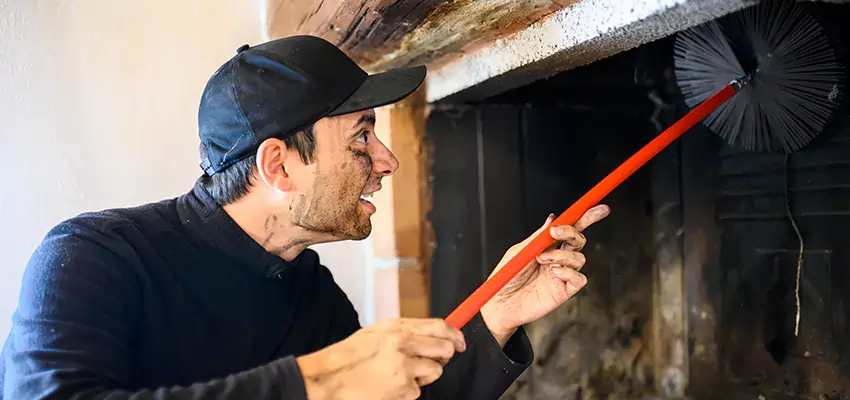
A storm, a heat wave or a long cold snap is a good moment to make sure everything at home still works the way it should. If anything about your chimney has changed since the weather turned, a quick check is a sensible next step. Arrange a visit in White Rock with Chimney Sweep White Rock.
Clearer draft, cleaner flue: Chimney Cleaning for White Rock homes
Chimney Sweep visits that leave White Rock living rooms clean
Flue brushing, damper checks, cleanup: Chimney Sweep Services in White Rock
What Fireplace Experts check in your White Rock chimney
Glass cleaned without scratches: Gas Fireplace Cleaning
Yearly Gas Fireplace Maintenance in White Rock, before the cold arrives