Tell us a little about your chimney or fireplace, and we will follow up with a quote for Chimney Odor Removal White Rock
Brick chimneys on older houses, insulated metal flues on newer ones, stovepipes, wood-fired ovens and boiler vents all move smoke the same basic way, yet each one ages differently. For property owners in White Rock researching “chimney odor removal”, the answers that follow explain chimney odor control in practical terms, with notes on the setups that come up most often and the details worth mentioning when you call a company.
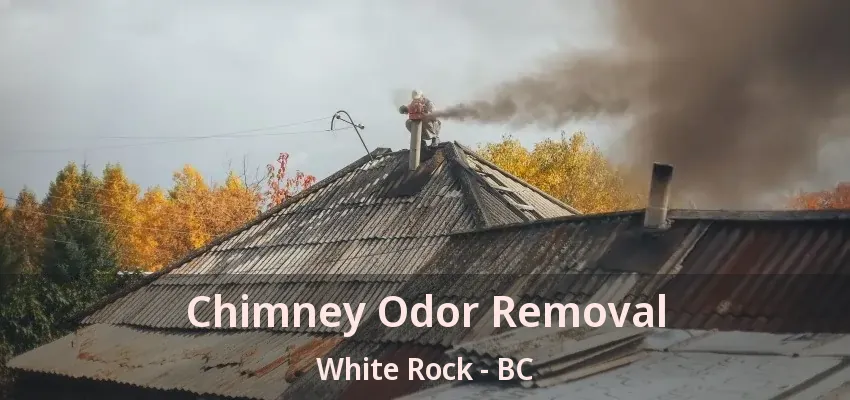
Creosote is the residue that forms when wood smoke cools on its way up the chimney and its tars, gases and moisture condense on the flue walls, and it is dangerous because it burns easily and very hot. A thick layer can catch from a stray spark or an unusually hot fire, and the resulting chimney fire can crack liners and push heat toward nearby framing. Creosote builds faster with damp wood, smoldering fires and chimneys on cold outside walls. It may look like black flakes, a sticky tar or a hard, shiny glaze. If you see any of these on the damper or around the firebox, book a sweep.
The clearest sign a chimney needs sweeping is black, flaky buildup you can see on the damper or falling into the firebox. Other clues often show up alongside it:
Any one of these is worth a check. Two or three together usually mean the flue is overdue.
Smoke comes back into the room when the chimney cannot pull it upward fast enough, and the usual causes are a cold flue, a partly closed damper or a house that is short of air. Make sure the damper is fully open and start with a small, hot kindling fire so the flue warms gradually. Kitchen and bathroom fans can draw air down the chimney, so switch them off and open a nearby window slightly. Wet wood produces heavy smoke too. If smoke still spills in after those changes, a blockage or a problem with the chimney itself needs a professional look.
The obvious signs are noise, smoke and flames at the top, but the ones we look for are what a fire leaves behind. Creosote that has burned swells into a light, porous crust that looks a little like charcoal sponge. Clay tiles crack or shift, metal liners and caps can buckle or turn blue, and the mortar near the top may show heat damage. We sometimes find these marks in chimneys whose owners had no idea anything happened, because a slow fire can burn out on its own. That is why a camera inspection is the usual next step whenever there is any doubt about a past fire.
Most of the smell fades soon after the deposits are removed, often within a few days of normal ventilation. A faint odor can linger longer in old, porous brick or mortar that has absorbed creosote over many years, and it tends to show up again on very humid days. Closing the damper and running fewer exhaust fans speeds things up. If a strong smell is still there a couple of weeks after “chimney odor removal”, ask for a follow-up look, because a second source, such as water entry or debris on the smoke shelf, may still be present.

Late spring and summer are often the easiest times to have a chimney swept. The burning season is over, so the flue holds a full year of deposits, and sweeping then clears them before humid weather brings out odors. Appointments are also easier to get than in early fall, when many people remember their chimney at the same moment. Fall still works if you book ahead and leave time for any repairs the visit turns up. Heavy wood burners may add a midwinter check. If something already seems wrong, book right away instead of holding out for a particular month.
Someone should be home, because almost every chimney visit starts and ends at the hearth. The firebox, damper and smoke chamber are reached from inside, and stoves or inserts may need to be opened up. We also prefer to show the owner what we found while the details are fresh, ideally with photos on a tablet or standing in front of the fireplace itself. A trusted neighbor, relative or property manager can stand in if you are at work. For rentals around White Rock, it helps to tell tenants ahead of time that someone will be working on the roof and at the hearth.
We fix chimney odors by finding the source first, because deodorizers on their own only mask a smell for a while. The usual order is a sweep, a check of the smoke chamber and smoke shelf for hidden debris, and a search for water entry at the cap, crown and flashing. Where creosote has soaked into old, porous masonry, we may suggest a deodorizing product made for chimneys after the cleaning. If the house keeps pulling air down the flue, a top-sealing damper that closes at the top of the chimney often makes the biggest difference. Most smells can be brought well under control once the cause is addressed.
It can, if the conditions that caused it return. Creosote deposits rebuild every burning season, so a smell that disappeared after a sweep may creep back the following summer. A leak that was not fully sealed can bring the musty odor back after heavy rain, and an uncapped flue can collect another nest. Negative pressure in the house is also persistent: new exhaust fans or a tighter home after renovations can restart the downdraft. If the odor returns after chimney odor control, note when it is strongest, since that pattern usually points straight to the cause.
We would rather you book the service you actually need than the biggest package on the list. Tell us what is going on and we will explain what we recommend for your chimney and why. Call (778) 770-1602 to speak with the team serving White Rock.
Clearer draft, cleaner flue: Chimney Cleaning for White Rock homes
Chimney Sweep visits that leave White Rock living rooms clean
Flue brushing, damper checks, cleanup: Chimney Sweep Services in White Rock
What Fireplace Experts check in your White Rock chimney
Glass cleaned without scratches: Gas Fireplace Cleaning
Yearly Gas Fireplace Maintenance in White Rock, before the cold arrives