Tell us a little about your chimney or fireplace, and we will follow up with a quote for Chimney Liner Services White Rock
Our crews hear the same questions on almost every roof and in almost every living room, so we wrote them down. If “chimney liner services” is what brought you here, you will find honest explanations of chimney liner service for homes around White Rock, the kind a technician would give while pointing at the chimney itself. Some answers deal with safety, some with cost factors and timing, and a few simply explain how the parts of a chimney work together.
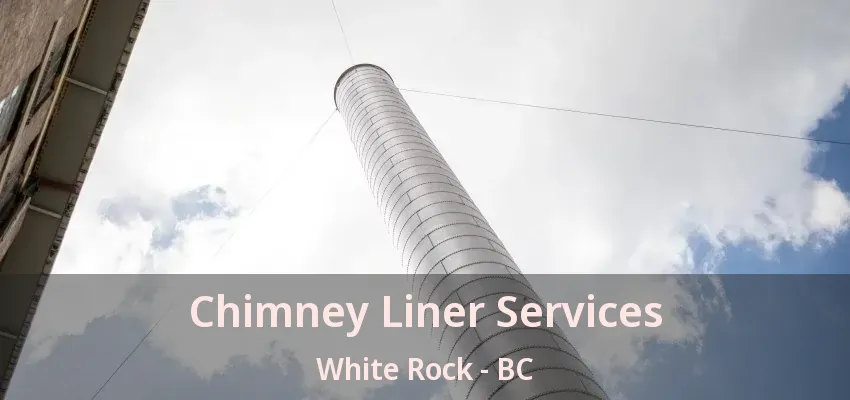
A chimney needs a liner because brick and mortar are not built to handle direct heat and corrosive exhaust on their own. The liner, whether clay tile, stainless steel or a cast-in-place material, forms a smooth channel inside the chimney that keeps heat away from nearby wood framing, contains sparks and stops acidic condensation from eating into the mortar. A properly sized liner also helps the fire or appliance draft well. Many older chimneys have clay tiles that have since cracked, and an unlined or damaged flue is generally considered unsafe to use until it has been repaired or relined.
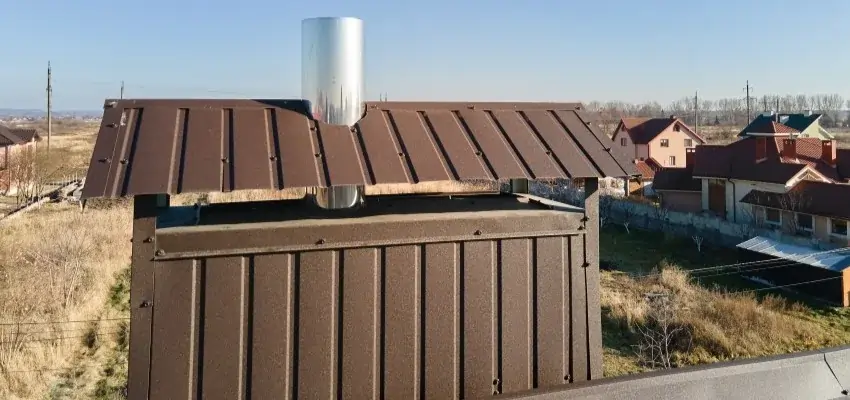
A chimney’s parts fall into three groups: the weatherproofing outside, the flue liner inside and the working parts at the bottom. Weatherproofing means the cap, the crown, the flashing and the face of the bricks and mortar. The liner is the channel that handles heat and corrosive exhaust. Down at hearth level are the pieces people actually touch, such as the damper handle, the firebox walls and the ash dump door. On a prefab system, a framed chase and its sheet metal top replace the brick. When we diagnose a problem, we trace it to one of these groups first, because that decides what the fix looks like.
Often it does. Every appliance needs a flue of the right size and material, and the old liner was sized for whatever used it before. A wood stove insert placed in a fireplace usually needs a stainless liner running from the insert to the top of the chimney. A gas furnace or water heater may need a smaller liner suited to its cooler, wetter exhaust. Skipping this step can cause poor draft, condensation damage or exhaust spilling indoors. When you plan an appliance change and look into “chimney liner services”, share the appliance details so the liner can be matched before installation day.
It depends on the part being repaired. Caps, crowns, flashing, upper masonry, chase covers, chimney fans and top-sealing dampers are reached from the roof or from ladders set against the chimney. Throat dampers, fireboxes, ash dumps, cleanout doors and many vent connections are handled from inside the house or at ground level. Roof work is planned around the weather, the pitch of the roof and safe ladder placement. Homeowners should not climb up to inspect or repair a chimney themselves; binoculars from the yard or the technician’s photos will tell you what you need to know.
There are three main types of chimney liner: clay tile, metal and cast-in-place. Clay tiles are common in older masonry chimneys and work well until they crack or shift, but replacing them inside an existing chimney is difficult. Stainless steel liners, rigid or flexible, are the usual choice for relining because they can be lowered down the existing flue, connected at the bottom and capped at the top, often with insulation wrapped around them. Cast-in-place liners use a cement-like mixture formed inside the flue. The right choice depends on the appliance, the flue size and the chimney’s condition.
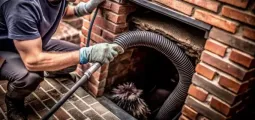
The fireplace or appliance on that flue is out of use for the visit and sometimes for a short time after. The crew usually cleans the flue first, then works from the roof to lower the liner and from inside to connect it, so expect drop cloths at the hearth and someone on the roof for much of the day. Many single-flue relines are finished in one visit, while chimneys needing tile removal or cast-in-place work take longer. Plan around the heating season if possible. Before booking “chimney liner services”, ask when the appliance can safely be used again and what the crew will need from you.
Mention what the chimney is made of, what it serves and what you have noticed, because a few details on the phone save a lot of time on the roof. We ask which appliances use the flue, how many stories the house has and how steep the roof is. We ask what you have seen: a stain, debris in the firebox, a stuck handle, a rattling cap, smoke in the room. We ask when it started and whether a roofer or another contractor worked nearby recently. Two quick phone snapshots, one of the chimney top from the yard and one of the problem area inside, often tell us which parts and ladders to bring on the first trip.
After a repair, the main job is to watch for changes and keep water and debris away from the chimney. Follow any instructions about when the fireplace can be used again, since new mortar or crown material may need time to cure. In the first few rains, check the ceiling and walls near the chimney for stains and look in the firebox for water or debris. Keep tree branches trimmed back from the chimney top and the gutters near it clear. Book a yearly inspection so small wear is caught early, and file the paperwork from the repair for future reference.
A local company is often the practical choice because it knows the housing styles, roof types and weather your chimney deals with. Builders in the same area often used similar chimney designs, so a nearby crew may already know where yours is likely to fail. Local service also makes it easier to schedule follow-up visits, check a repair after the first big storm or answer a question months later. Before booking, confirm the company works in your area with its own crew, and ask how it handles return visits if something needs adjusting.

From townhouses to detached homes, we see a wide range of setups around White Rock and plan each visit around the home in front of us. If it is time to have your chimney looked at, get in touch with Chimney Sweep White Rock and we will arrange a time that suits you.
Clearer draft, cleaner flue: Chimney Cleaning for White Rock homes
Chimney Sweep visits that leave White Rock living rooms clean
Flue brushing, damper checks, cleanup: Chimney Sweep Services in White Rock
What Fireplace Experts check in your White Rock chimney
Glass cleaned without scratches: Gas Fireplace Cleaning
Yearly Gas Fireplace Maintenance in White Rock, before the cold arrives