Tell us a little about your chimney or fireplace, and we will follow up with a quote for Chimney Inspection Services White Rock
A smoky smell on a humid afternoon, scratching above the damper, a fire that refuses to draw: chimneys tend to announce trouble in small ways first. If one of those moments led you to search for “chimney inspection services”, you are in a good place to start. This page walks through chimney inspection for buildings around White Rock, explaining what usually causes problems, what a visit involves and which simple checks you can make safely on your own.
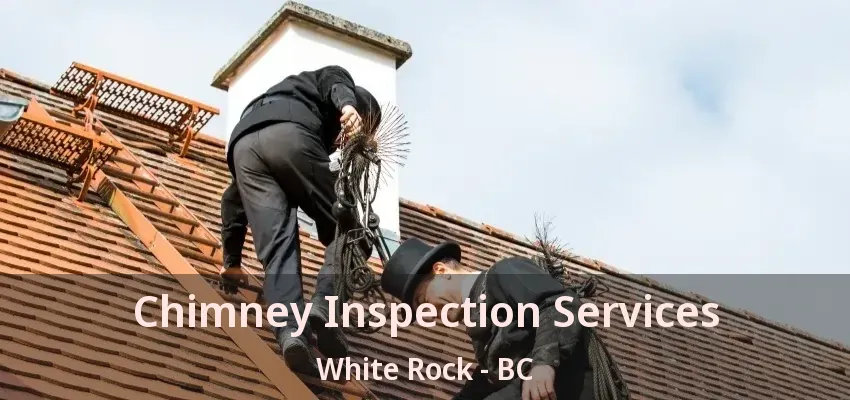
A dedicated chimney check is worth arranging before you buy, because a general home inspection usually covers only what can be seen from the hearth and the roofline. The inside of the flue, where cracks and gaps hide, often goes unexamined. Ask the seller when the chimney was last swept and whether there were any repairs or past fires. A chimney technician can run a camera through the flue and give you a written summary before your inspection period ends. Finding a damaged liner or crown early gives you room to negotiate or plan a repair instead of discovering it after the first fire.
Chimney inspections are commonly described in three levels, from a basic visual check to a full investigation, and the right one depends on whether anything about the chimney has changed. The first is a visual check of the accessible parts: the firebox, damper, the flue as far as it can be seen, the exterior and the cap. It suits a chimney used the same way every year with no known issues. The second adds a camera run through the whole flue and a look at attic or crawlspace areas next to the chimney, and is often suggested after a property sale, a chimney fire, storm damage or a change of appliance or fuel. The third, for serious hidden problems, involves opening parts of the structure.
A camera earns its place on almost every visit, because the inside of a flue is the one part of a chimney nobody can see directly, and most serious problems start there. The camera head rides up on a rod with its own light, and the screen shows each joint and tile in turn. That is how we find the hairline crack two thirds of the way up, the liner section that slipped after a storm, or creosote packed above a bend in a stovepipe. Recording it matters too: when we recommend a repair, the footage lets the owner see exactly what we saw rather than taking our word for it.
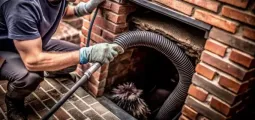
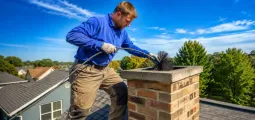
On our visits the flue, smoke chamber, damper and firebox all get cleaned, working along the path of the smoke from the hearth up to the cap. We protect the floor and nearby furniture, seal the opening around our vacuum hose so dust stays contained, then work the flue with rods and a brush matched to the liner: stiff wire for clay tile, softer poly for stainless steel. The smoke chamber above the damper gets hand tools, because creosote clings to its sloped walls. Before and after, we look at the flue condition, often with a camera. At Chimney Sweep White Rock, the visit ends with a short walkthrough of what came out, how heavy it was and anything we would keep an eye on.
The depth of the inspection is the biggest factor. A visual check of a single, easy-to-reach flue is relatively quick, while a camera scan of several flues, plus a look at attic and crawlspace areas, takes longer and usually costs more. Roof height and pitch, the number of appliances, whether an insert must be pulled for access and whether you need a formal written report all play a part. Before booking “chimney inspection services”, explain why you want the inspection, such as a home purchase, a new stove or a smell, so the company can match the visit to the purpose.
Preparation is similar to a sweep, with a few extras. Let the fireplace or stove cool completely, clear space in front of the hearth and make sure the roof can be reached. For a deeper inspection, the technician may also need to see the attic, crawlspace or basement areas next to the chimney, so clear a path to those hatches and doors and move stored boxes away. Have any paperwork about past repairs, liner installation or a previous chimney fire on hand. Telling the company these details when you book chimney inspection helps them plan the time needed.
A cold firebox and a bare hearth help us more than anything else. Clear a few feet of floor for the vacuum and drop cloths, and lift screens and ornaments off the hearth itself. Warm ash is the most common reason a job starts late, since we cannot clean safely until it has cooled. Outside, we need a stable spot near the chimney for the ladder, so mention soft ground, flower beds or a deck that might be in the way. Tell us about alarm systems, a dog that dislikes visitors or a roof that is easier to reach from the back. Those small details save time on the day.
We recommend CO alarms on every floor of every home we work in, including one near the bedrooms, because a chimney is a safety system and alarms are its backup. Even a well-swept flue can be blocked overnight by a nest or a fallen tile, and a fireplace can spill fumes when exhaust fans pull against it. We also suggest a smoke alarm in or near the room with the fireplace or stove, placed as its maker directs rather than right above the hearth, and a fire extinguisher within reach. If your alarms are older than anyone can remember, replacing them is a small job with a large payoff.
A good report names the appliance and flue, rates each component, describes any deposits and backs it all with captioned photos, so that a stranger could read it a year later and understand exactly what we saw. We state clearly whether the system is ready to use as it is. Repairs are listed separately, each with a short reason and its urgency, and we also note what is in good shape, since that matters when future visits are compared. If you receive a report full of alarming terms without photos or explanations, it is fair to ask for both. The point is to leave you better informed, not more worried.
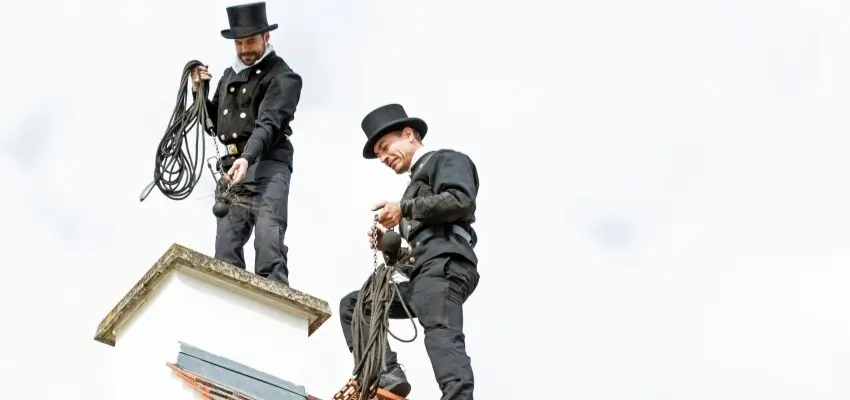
Some decisions are easier once a person explains them in plain words. A technician from Chimney Sweep White Rock can look at your chimney, point out what matters and skip what does not. Ask for a visit and pick a time that works for your household in White Rock.
Clearer draft, cleaner flue: Chimney Cleaning for White Rock homes
Chimney Sweep visits that leave White Rock living rooms clean
Flue brushing, damper checks, cleanup: Chimney Sweep Services in White Rock
What Fireplace Experts check in your White Rock chimney
Glass cleaned without scratches: Gas Fireplace Cleaning
Yearly Gas Fireplace Maintenance in White Rock, before the cold arrives