Tell us a little about your chimney or fireplace, and we will follow up with a quote for Chimney Flashing White Rock
Maybe you spotted a stain on the ceiling beside the fireplace, a few brick chips on the roof or a damper that will not budge. Small discoveries like these send many homeowners in White Rock looking up “chimney flashing” to find out how serious the problem really is. The answers below explain how flashing repair works, what tends to cause the damage in the first place and which details matter when you talk to a company about fixing it.
Repairs matter because chimneys tend to fail slowly at first and then expensively. We regularly open up a chimney where a minor issue, such as a missing cap or one cracked mortar joint, was left alone for a few seasons. By then, water has soaked the bricks, rusted the damper or softened the wood framing beside the stack. Work at that stage takes longer and uses far more material. Catching the same fault early usually means a short visit and a modest bill. There is a safety side too, because a damaged flue or liner can let heat and smoke escape where nobody expects them.
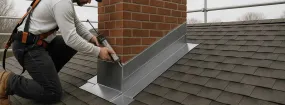
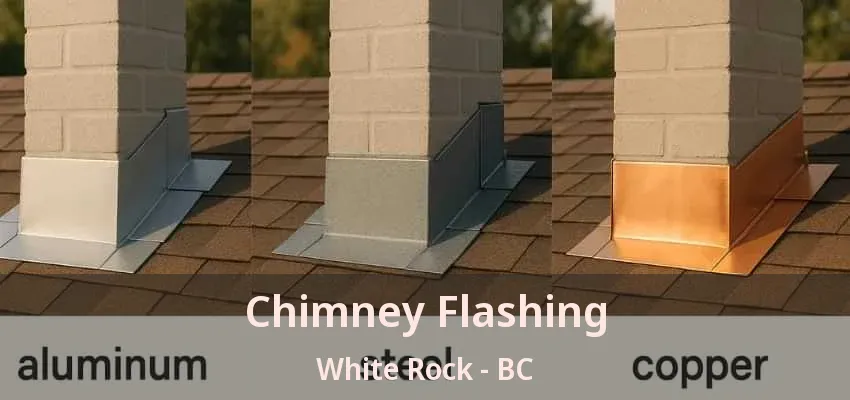
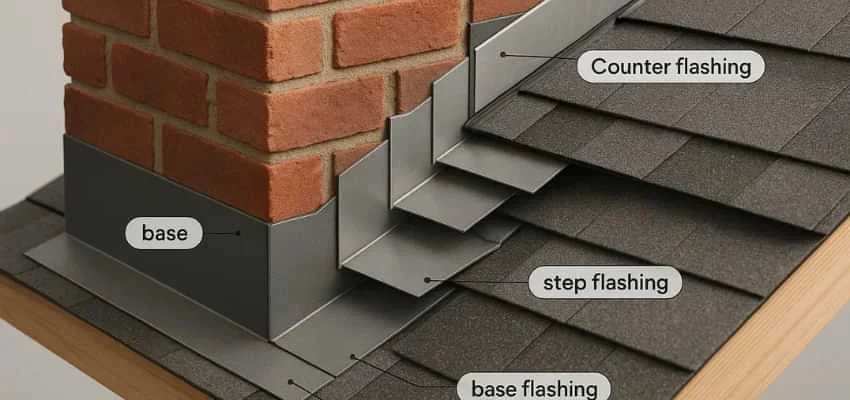
They are two layers of the same seal. Step flashing is made of short, L-shaped pieces of metal tucked under each course of shingles along the sides of the chimney, so every piece overlaps the one below like the shingles themselves. Counter flashing is fastened into the mortar joints of the chimney and folds down over the step flashing, covering its top edge. Together they let the roof and the chimney move independently without opening a gap. If one layer is missing, water finds its way in. Asking about both is a good test of any company you contact about “chimney flashing”.
Stains, debris and stiff moving parts inside the house are usually the first signs, long before anything looks wrong from the yard. A water mark on the ceiling beside the chimney, a musty smell when it rains, flakes of tile or mortar in the firebox and a damper that has gone stiff all point to something above. Outside, white chalky deposits on brick tell us water is moving through the masonry, and dark streaks below the cap or chase cover suggest rust. Smoke that hangs at the fireplace opening points to a draft problem. We trace each clue back to its source before suggesting any repair.
The signs we trust most are darkened wood beside the chimney in the attic and lifted or caulk-covered metal where the chimney meets the roof. Flashing is a weak spot because it joins two things that move differently: a heavy masonry stack and a roof that shifts with the seasons. Done properly, it has two layers, step flashing woven in with the shingles and counter-flashing set into the mortar joints and folded down over it. Trouble starts when one layer is missing, when everything relies on caulk or when roofers reused tired metal during a reroof.
Anything from a morning to several days, depending on the part, the access and the material. A damper repair or cap swap rarely keeps us past lunch. Flashing and chase covers depend on the roof, so a steep pitch or fragile shingles add hours. Masonry is the slow one, not because the work itself drags but because mortar and crown concrete need dry, mild weather and time to firm up between steps. A full rebuild above the roofline can stretch over several visits. When we quote, we give you a working estimate and tell you plainly what could push it longer, such as hidden damage.
Labor, access and materials drive the price, roughly in that order. Labor depends on the size of the repair and whether it can be finished in one visit or needs curing time between stages. Access covers roof height, pitch and anything that makes ladder setup awkward, such as a deck or steep slope below the chimney. Materials range from a tube of sealant to a custom stainless chase cover or a full liner kit. We also leave room in the conversation for surprises, because opening a chimney sometimes reveals more. Our quotes list each part of the work separately, so you can see where the money goes.
In most cases, yes. Reusing old flashing under new shingles saves a little time but often shortens the life of the job, because aged metal and sealant may fail long before the new roof does. Replacing it during a reroof is simpler, since the shingles around the chimney are already off. Agree in advance who will do it, the roofer or a chimney company, and how the counter flashing will be set into the mortar joints. People who see “chimney flashing” mentioned in a roofing quote should ask whether it means new metal or simply fresh sealant over the old pieces.
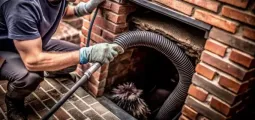
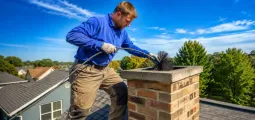
The repairs we make hold up longest when the rest of the chimney system is looked after too. That means a cap that stays in place with clear mesh, a crown kept free of leaves and moss, flashing left alone by anyone doing roof work and regular sweeping if you burn wood, because creosote and moisture attack the inside of the flue. We tell homeowners exactly how long to wait before the first fire after masonry work. After that, a glance at the chimney from the yard after big storms and a professional look once a year usually keeps surprises to a minimum.
Pick the company that gives you specifics. One that knows chimneys asks what yours is made of and what burns in it before giving a figure, and it talks about the cause of a problem rather than just the symptom. On site, it should take photos from the roof and inside the flue, lay out the options and let you decide without pressure. Tidy work matters, since soot and mortar dust travel. Ask how follow-up questions are handled once the job is done, and whether the same crew will come back if something needs a second look.
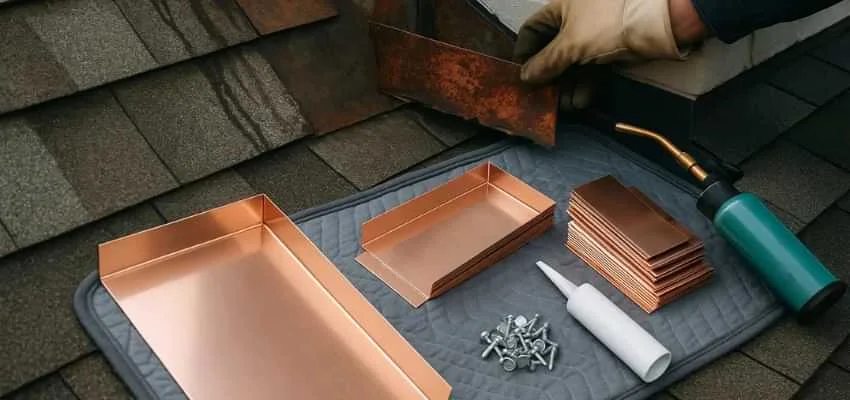
A good visit looks at the whole system around your chimney, not just the part you asked about. That is how Chimney Sweep White Rock approaches every home in White Rock. Book flashing repair and get a complete, honest overview of where things stand.
Clearer draft, cleaner flue: Chimney Cleaning for White Rock homes
Chimney Sweep visits that leave White Rock living rooms clean
Flue brushing, damper checks, cleanup: Chimney Sweep Services in White Rock
What Fireplace Experts check in your White Rock chimney
Glass cleaned without scratches: Gas Fireplace Cleaning
Yearly Gas Fireplace Maintenance in White Rock, before the cold arrives