Tell us a little about your chimney or fireplace, and we will follow up with a quote for Chimney Fan Services White Rock
A chimney stands out in the open all year, taking rain, wind, sun and, in many places, hard freezes with no shelter at all. Sooner or later something on it needs attention, whether that is a loose cap, a tired mortar joint or a part inside the flue. If you searched for “chimney fan services”, this page gathers the questions homeowners in White Rock ask most often about chimney fan service, answered plainly so you can judge what your own chimney needs and what can wait.
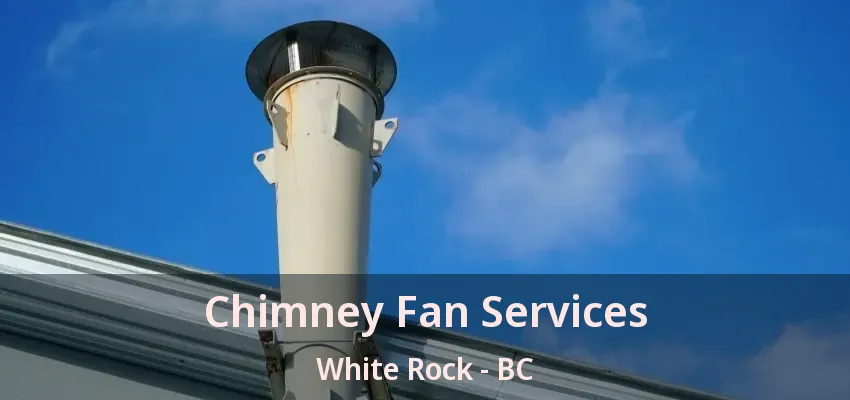
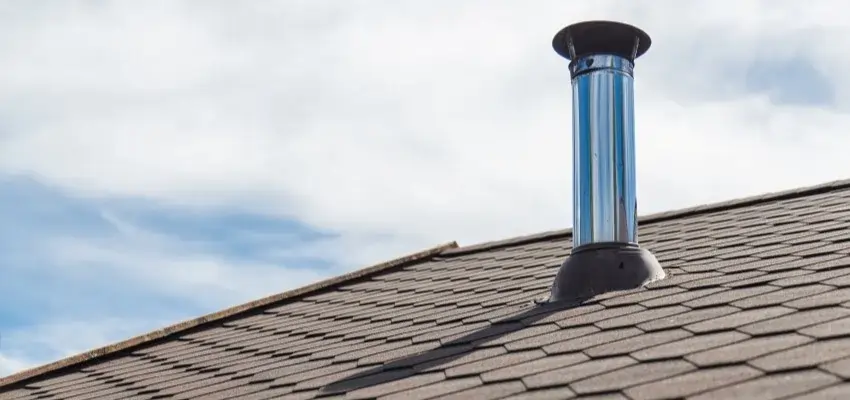
A masonry chimney has more parts than most people realize, and each one can need repair on its own. From the top down, you will usually find:
Inside the house sit the damper, the smoke chamber, the firebox and sometimes an ash dump. Factory-built chimneys swap the brick for a metal flue inside a framed chase with a metal cover on top.
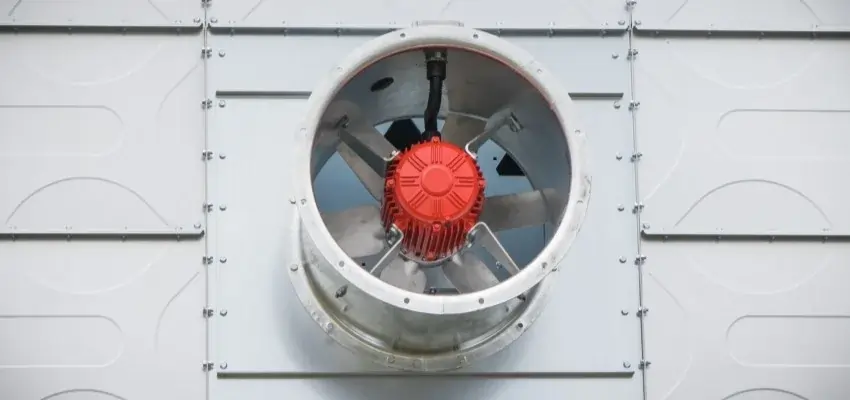
The most obvious sign is the return of the problem the fan was meant to solve: smoke drifting into the room or a stove that struggles to draw. Other clues include new noises such as grinding, squealing or rattling from the roof, a fan that starts slowly or not at all, vibration you can feel in the chimney and a speed control that seems to have no effect. If the fan sounds damaged, stop adding fuel and let the fire burn out before switching the fan off, since some chimneys cannot draw well without it. Keep carbon monoxide alarms working, open a nearby window if smoke spills and arrange chimney fan service; a fan wheel or motor can often be repaired or replaced without changing the whole unit.
The most common signs show up as water, debris or poor performance. Watch for:
Outside, look for white staining on the bricks, gaps in mortar joints and a cap or flashing that looks loose. Any one of these is worth a closer look by someone who can reach the chimney safely.
A fireplace smokes into the house when the chimney is not drawing strongly enough to pull the exhaust up and out. Common causes include a closed or partly closed damper, a blocked flue or cap, a cold chimney that has not warmed up yet, a chimney that is too short for the fireplace, and a house under negative pressure because exhaust fans or a tightly sealed building compete for air. Try opening a nearby window slightly when you light the fire. If smoke still spills, stop using the fireplace, have the chimney and venting checked and make sure your carbon monoxide alarms work.
It depends on the part being repaired. Caps, crowns, flashing, upper masonry, chase covers, chimney fans and top-sealing dampers are reached from the roof or from ladders set against the chimney. Throat dampers, fireboxes, ash dumps, cleanout doors and many vent connections are handled from inside the house or at ground level. Roof work is planned around the weather, the pitch of the roof and safe ladder placement. Homeowners should not climb up to inspect or repair a chimney themselves; binoculars from the yard or the technician’s photos will tell you what you need to know.
Most chimney repairs are not do-it-yourself jobs, mainly because they involve working at height on a roof or inside the flue, where mistakes affect safety. What homeowners can do safely is watch and report: look at the chimney from the ground with binoculars, check the attic and walls near the chimney for stains after rain, keep the hearth area clear and open and close the damper now and then to make sure it moves freely. Leave masonry, flashing, caps, liners, fans and anything connected to a gas appliance to a professional. Patching with roofing tar usually hides a problem rather than fixing it.
A chimney fan needs a regular cleaning and a quick mechanical check, usually during the yearly chimney sweep. Soot and creosote build up on the fan wheel and housing, which can unbalance it and reduce airflow, so the technician opens the unit, cleans those parts and checks that the motor turns freely and quietly. Wiring, the mounting base and the indoor speed control get a look too. Many fans are hinged so the flue can still be swept from the top. If you are looking into “chimney fan services”, ask whether fan cleaning is included with sweeping or quoted separately.
Pick the company that gives you specifics. One that knows chimneys asks what yours is made of and what burns in it before giving a figure, and it talks about the cause of a problem rather than just the symptom. On site, it should take photos from the roof and inside the flue, lay out the options and let you decide without pressure. Tidy work matters, since soot and mortar dust travel. Ask how follow-up questions are handled once the job is done, and whether the same crew will come back if something needs a second look.
Local crews know the chimneys in the area, and that knowledge saves time and guesswork. Working the same streets season after season, we learn which subdivisions have tall chimneys on steep roofs, which builders used flat chase covers that rust and which older districts still have original clay liners. That history makes the first diagnosis faster and quotes more accurate. Being close by also means we can come back to check a repair after heavy rain without it becoming a major trip. When you call Chimney Sweep White Rock, you reach people who work on chimneys around White Rock every week.
Most problems with your chimney start small and grow when they are left alone for a few seasons. If something on this page sounded familiar, have it checked while it is still minor. Call Chimney Sweep White Rock at (778) 770-1602 to arrange a visit in White Rock.
Clearer draft, cleaner flue: Chimney Cleaning for White Rock homes
Chimney Sweep visits that leave White Rock living rooms clean
Flue brushing, damper checks, cleanup: Chimney Sweep Services in White Rock
What Fireplace Experts check in your White Rock chimney
Glass cleaned without scratches: Gas Fireplace Cleaning
Yearly Gas Fireplace Maintenance in White Rock, before the cold arrives