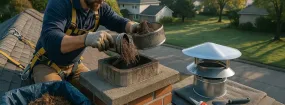
Tell us a little about your chimney or fireplace, and we will follow up with a quote for Chimney Cap Replacement White Rock
It is easy to think of a chimney as a fireplace accessory, but it is also part of the roof, the walls and the frame of the house. When one piece fails, water and heat can reach places they were never meant to go. For homeowners in White Rock who typed “chimney cap replacement” into a search bar, the answers on this page explain chimney cap installation in everyday language, from the first warning signs to what happens once the work is done.
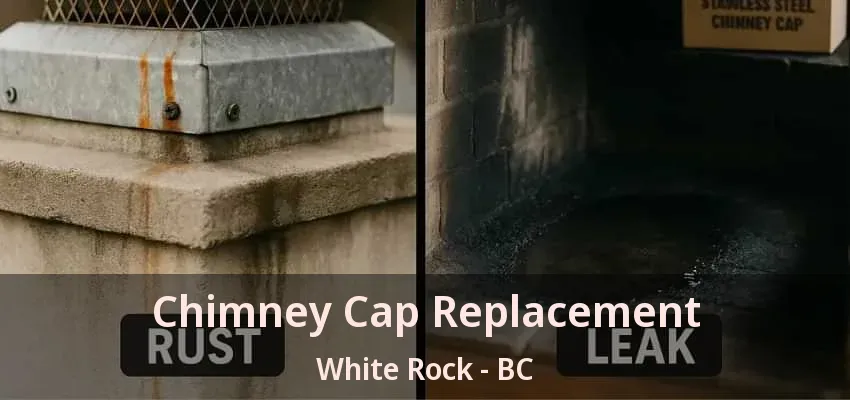
Chimney repair is important because a chimney has two jobs that both depend on it being sound: carrying smoke and combustion gases out of the house, and keeping rain and snow out of the structure. A cracked crown, a loose cap or a failing seal lets water into the masonry, the roof framing and the walls around the fireplace, and that kind of damage spreads quietly. A fault inside the flue can let heat or gases reach places they should not. A fireplace that still lights is no proof that everything is fine, so it pays to fix small problems while they are still small and inexpensive.
The crown protects the brick and the cap protects the flue, which is the simplest way to keep them straight. On the roof, the crown is the sloped top surface of the masonry, ideally with an overhang so water drips clear of the chimney walls. The cap is a metal hood with mesh sides, clamped or fastened over the opening. We check them separately, since one can fail while the other looks fine: we often find a shiny new cap sitting on a crown full of cracks. Both deserve attention, and fixing one never covers a problem with the other.
Stains, debris and stiff moving parts inside the house are usually the first signs, long before anything looks wrong from the yard. A water mark on the ceiling beside the chimney, a musty smell when it rains, flakes of tile or mortar in the firebox and a damper that has gone stiff all point to something above. Outside, white chalky deposits on brick tell us water is moving through the masonry, and dark streaks below the cap or chase cover suggest rust. Smoke that hangs at the fireplace opening points to a draft problem. We trace each clue back to its source before suggesting any repair.
It can let them into the chimney, and from there into the house in some cases. Birds, squirrels and raccoons use uncapped flues as shelter, and a damper left open or a gap in an old firebox can give them a route indoors. Signs include scratching or chirping in the chimney, nesting debris in the firebox and a strong smell. Do not light a fire to drive animals out. A wildlife service may be needed first, and then the cap can go on. People who search for “chimney cap replacement” after an animal visit should ask that the flue be checked for nests before the new cap is fitted.
Chimney caps come in a few main materials and styles. Stainless steel is a common choice because it resists rust for many years; copper looks distinctive and also lasts a long time; galvanized or painted steel costs less up front but tends to rust sooner. Single-flue caps fit over one flue tile, while multi-flue or full-width caps cover the whole top of the chimney. Mesh size matters too, since very fine screens clog faster. A new cap is measured to the flue or crown and fastened securely so wind cannot lift it, which is why careful measuring comes before ordering.
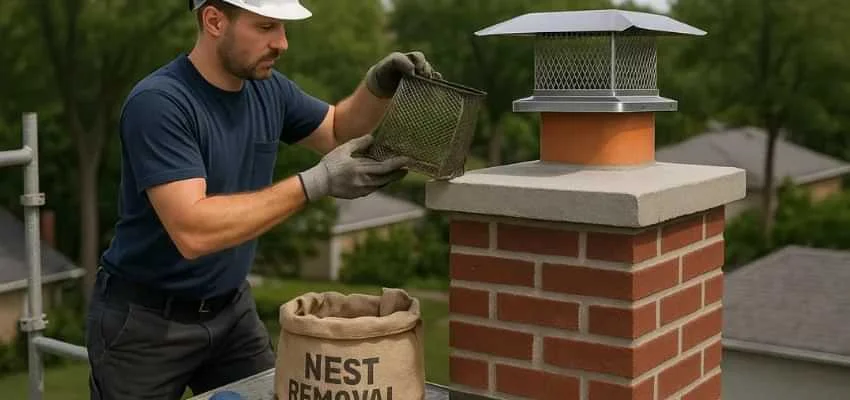
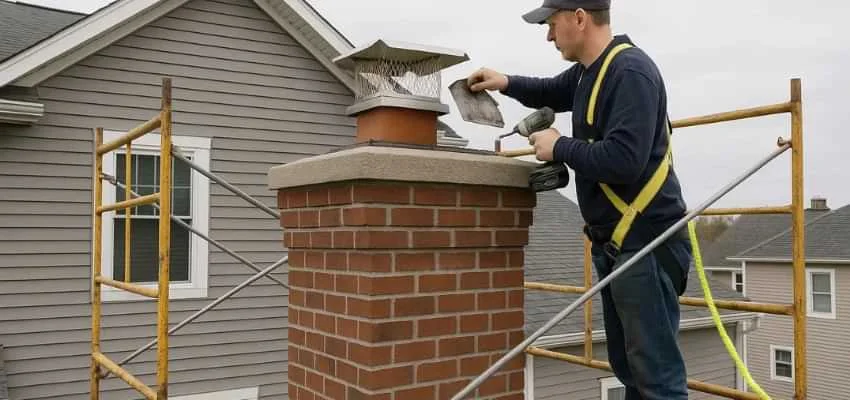
It depends on the part being repaired. Caps, crowns, flashing, upper masonry, chase covers, chimney fans and top-sealing dampers are reached from the roof or from ladders set against the chimney. Throat dampers, fireboxes, ash dumps, cleanout doors and many vent connections are handled from inside the house or at ground level. Roof work is planned around the weather, the pitch of the roof and safe ladder placement. Homeowners should not climb up to inspect or repair a chimney themselves; binoculars from the yard or the technician’s photos will tell you what you need to know.
Preparing for chimney repair mostly means clearing access inside and out. Stop using the fireplace or stove at least a day before so the firebox and flue are cool, and move decorations, screens, tools and furniture away from the hearth. Outside, move vehicles, patio furniture, planters and grills away from the side of the house where ladders will go, and unlock any gates. Let the company know about pets, an alarm system or anything fragile near the chimney. If the job involves the attic or basement, such as tracing a leak or emptying an ash pit, clear a path there too.
The flue tile, and sometimes the whole top of the chimney. For a single-flue cap, the outside length and width of the tile and how far it sticks up above the crown decide which base will fit. For a full-width cap, the measurement is the crown itself, plus the height of the tallest flue so the hood clears it. The number of flues, the fuel each one serves and any antenna or bracket on the chimney matter too. A careful company measures on the roof before ordering, which avoids a second trip and a cap that rattles loose. Expect this step early in chimney cap installation.
A few direct questions reveal a lot about a chimney repair contractor:
Clear, specific answers are a good sign. If the replies stay vague or the price changes without explanation, it is reasonable to get another opinion before agreeing to the work.
You do not need to know the right terms before you call. Describe the problem in your own words and we will translate it into a plan for your chimney. Reach us at (778) 770-1602 or ask for a quote online, whichever is easier for you.
Clearer draft, cleaner flue: Chimney Cleaning for White Rock homes
Chimney Sweep visits that leave White Rock living rooms clean
Flue brushing, damper checks, cleanup: Chimney Sweep Services in White Rock
What Fireplace Experts check in your White Rock chimney
Glass cleaned without scratches: Gas Fireplace Cleaning
Yearly Gas Fireplace Maintenance in White Rock, before the cold arrives